
Basic Tips to Lighting Your Kitchen Correctly 2026
Lighting can make or break a kitchen. You can have beautiful cabinets, a great layout, and modern appliances—but if the lighting is off, the whole space feels wrong. Too dark, too harsh, or just awkward. If you’ve ever cooked while standing in your own shadow, you already know why getting kitchen lighting right matters.
I’ve learned this the hard way. Kitchens often get treated like purely functional spaces, but lighting is what turns them into warm, welcoming, usable rooms. This guide walks you through how to light a kitchen correctly, step by step, without overcomplicating things or pushing unnecessary upgrades.
Understanding How Kitchen Lighting Really Works
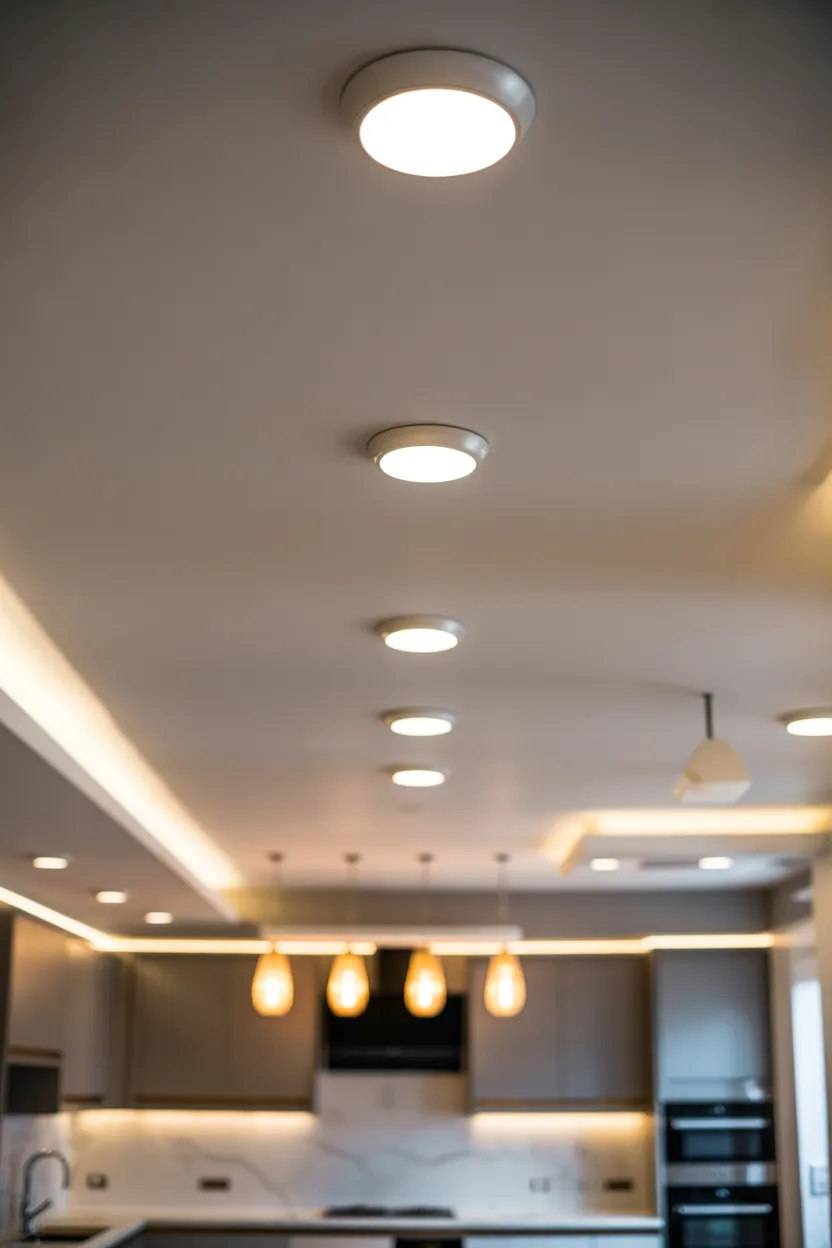
Before choosing fixtures, it’s important to understand what lighting in the kitchen is supposed to do. A kitchen isn’t lit the same way as a bedroom or living room. It needs clarity, safety, and comfort—all at once.
Good kitchen lighting is built on balance. You need enough brightness to see clearly while prepping food, but not so much that the space feels clinical. This is where basic kitchen lighting tips come in handy. Instead of relying on one ceiling light, kitchens work best when light is spread intentionally across the space.
When lighting supports how you move and work, the kitchen feels effortless to use. That’s the goal.
How to Light a Kitchen Using the Right Layers
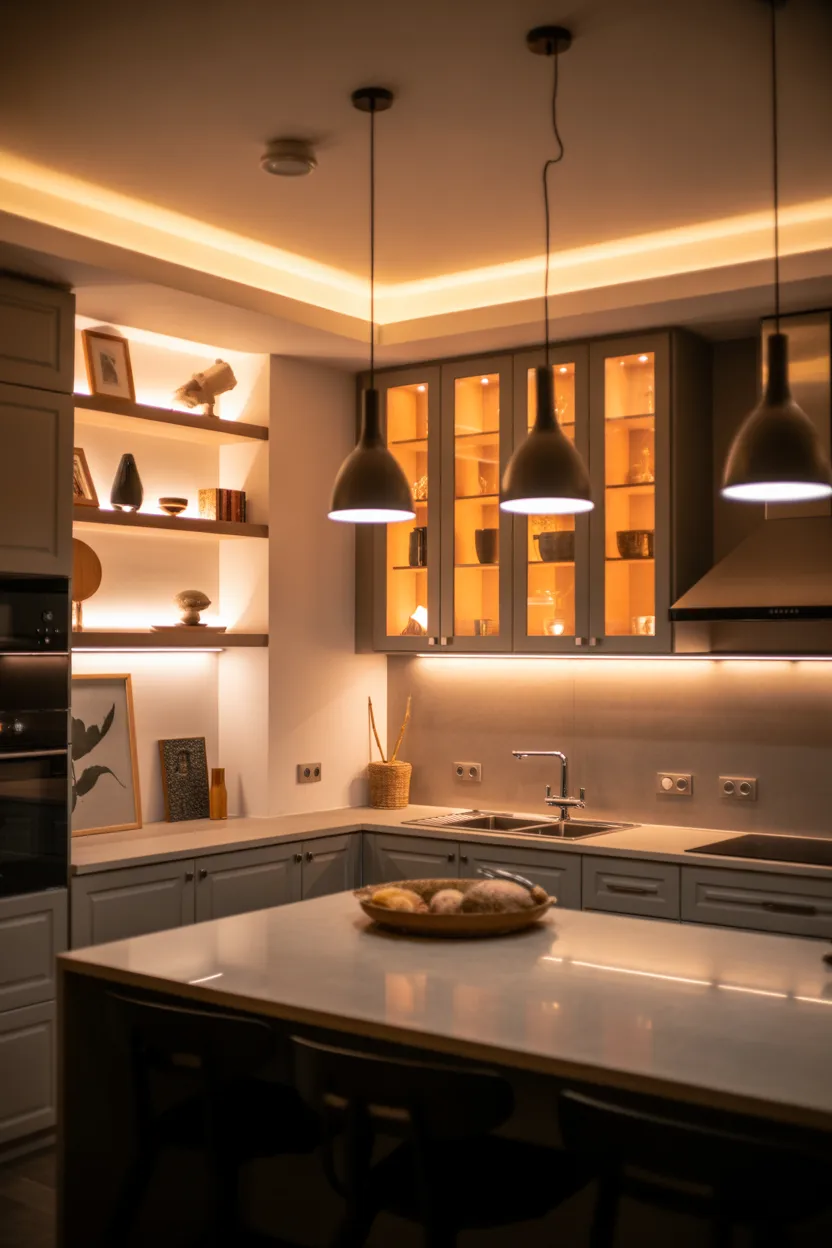
If someone asks how to light a kitchen, the simplest answer is layering. Kitchens need more than one type of light working together.
Ambient lighting gives overall brightness. Task lighting focuses on work zones like counters and sinks. Accent lighting adds softness and depth. When these layers work together, shadows disappear and the room feels complete.
This approach is especially helpful in open or multi-use kitchens. If you’re planning layout changes, lighting should always be considered alongside design decisions, like those discussed in kitchen layout planning guides.
How to Light a Kitchen Effectively Without Harsh Glare
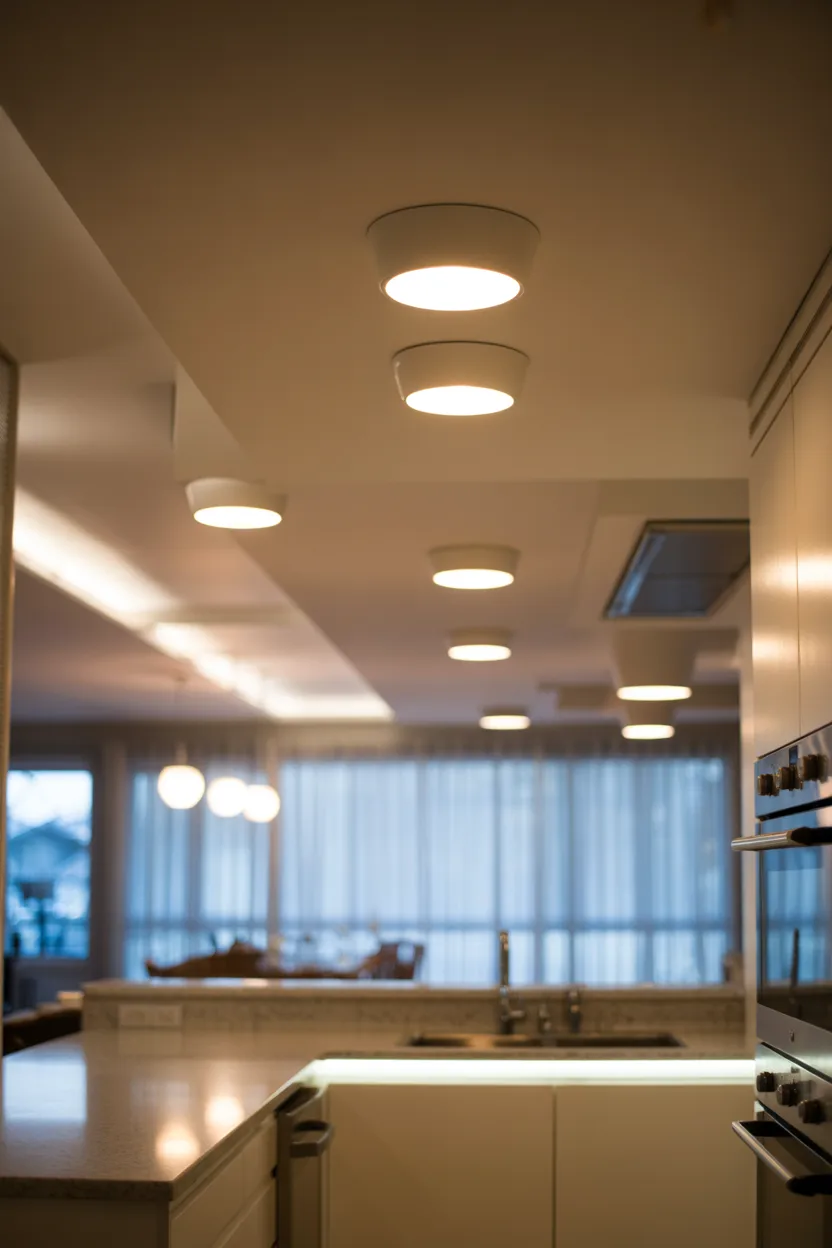
Knowing how to light a kitchen effectively isn’t about adding more lights—it’s about placing them correctly. One of the most common mistakes is installing lights directly behind where you stand. This creates shadows exactly where you need visibility.
Effective kitchen lighting is forward-facing and evenly distributed. Light should fall onto your workspace, not into your eyes. This is why ceiling lights alone often fail kitchens.
Using dimmers also makes a huge difference. Bright light during cooking, softer light during meals—it’s a small upgrade with big impact.
Why Ambient Kitchen Lighting Sets the Tone
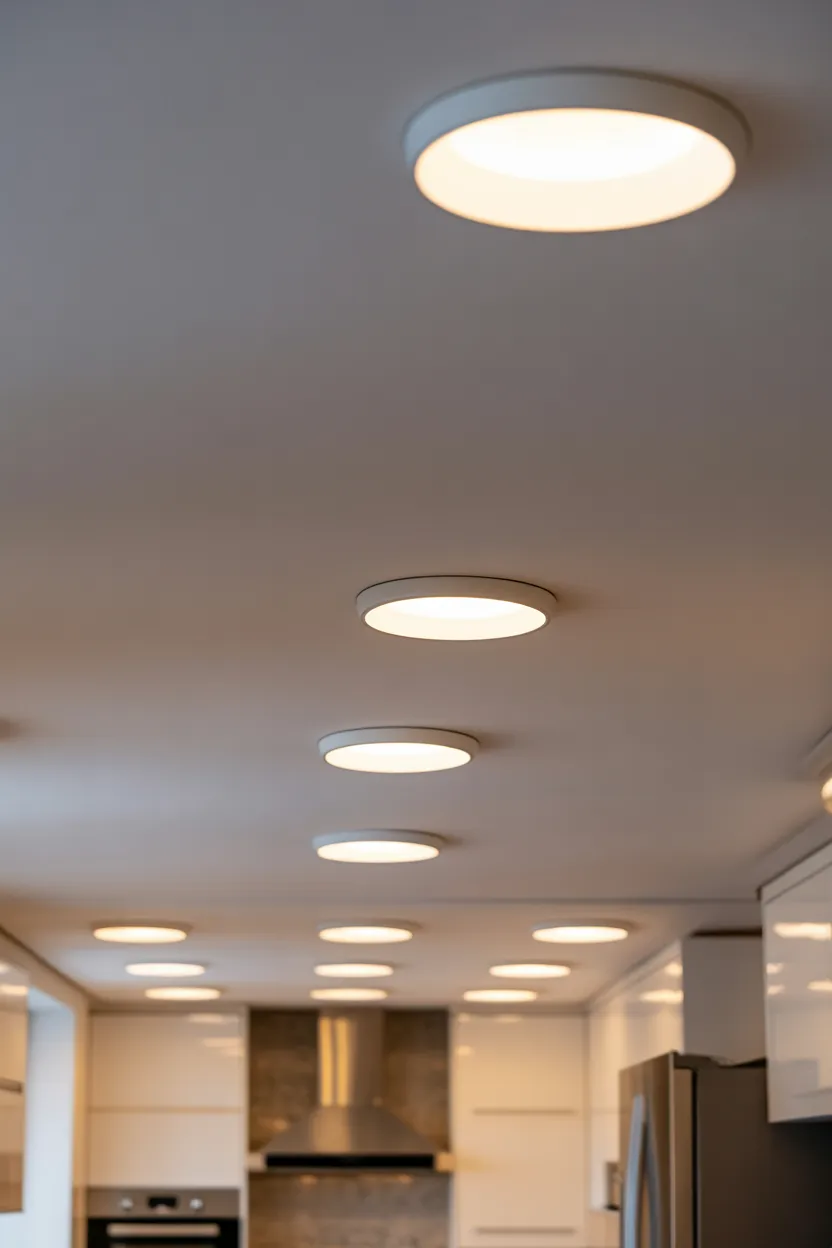
Ambient kitchen lighting is the foundation of the entire space. It provides general brightness so the room feels open and usable at any time of day.
This usually comes from recessed lights, flush mounts, or well-placed ceiling fixtures. Spacing is key. Lights that are too far apart leave dark patches, while lights that are too close can feel overwhelming.
In smaller kitchens, ambient lighting becomes even more important because it visually expands the space. Pairing this with smart layouts, like those in small kitchen design inspiration, helps maximize both light and space.
Why Under Cabinet Kitchen Lighting Is Essential
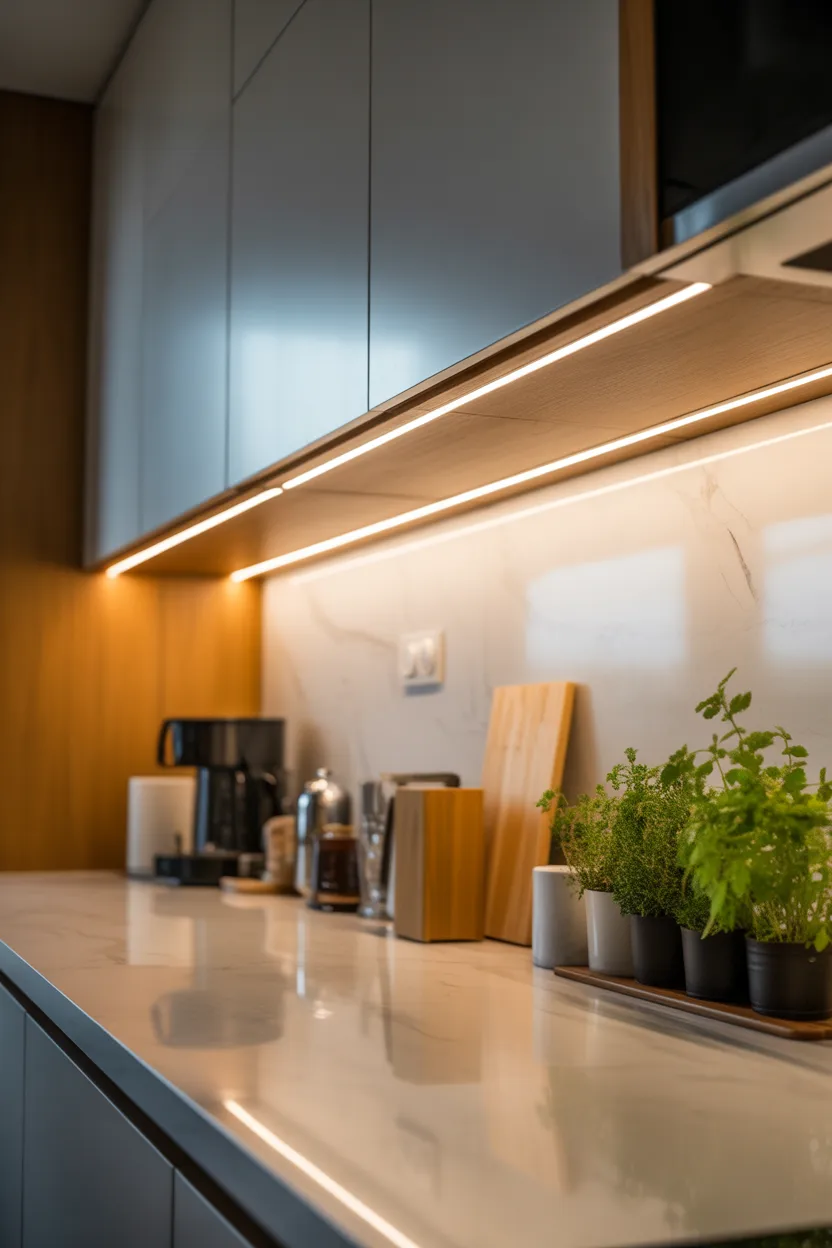
Under cabinet kitchen lighting isn’t decorative—it’s practical. It directly illuminates countertops, which are often blocked from ceiling light by your own body.
LED strips or puck lights work especially well here. They provide focused brightness exactly where chopping, mixing, and prepping happen. This instantly improves safety and reduces eye strain.
Beyond function, under-cabinet lighting adds a subtle glow that makes kitchens feel modern and polished. Once installed, most people wonder how they lived without it.
Kitchen Lighting Cabinets for Function and Style
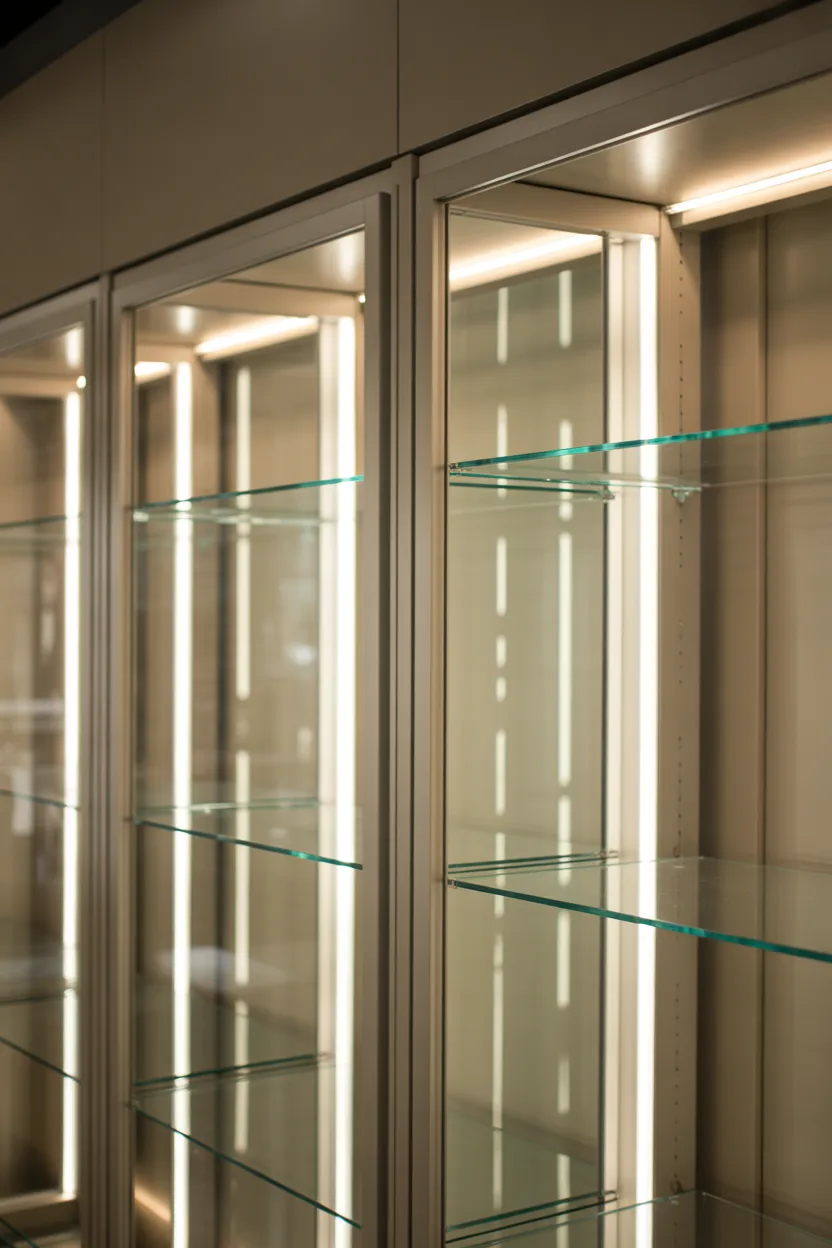
Kitchen lighting cabinets—especially glass-front or open cabinets—add depth to the room. Interior cabinet lighting makes storage more visible and highlights dishware beautifully.
This type of lighting also doubles as accent lighting at night. Instead of turning on bright ceiling lights, softly lit cabinets can provide enough glow for evening use.
Cabinet lighting works particularly well in modern kitchens and pairs nicely with sleek cabinet designs.
Using LED Lights for Kitchen Efficiency
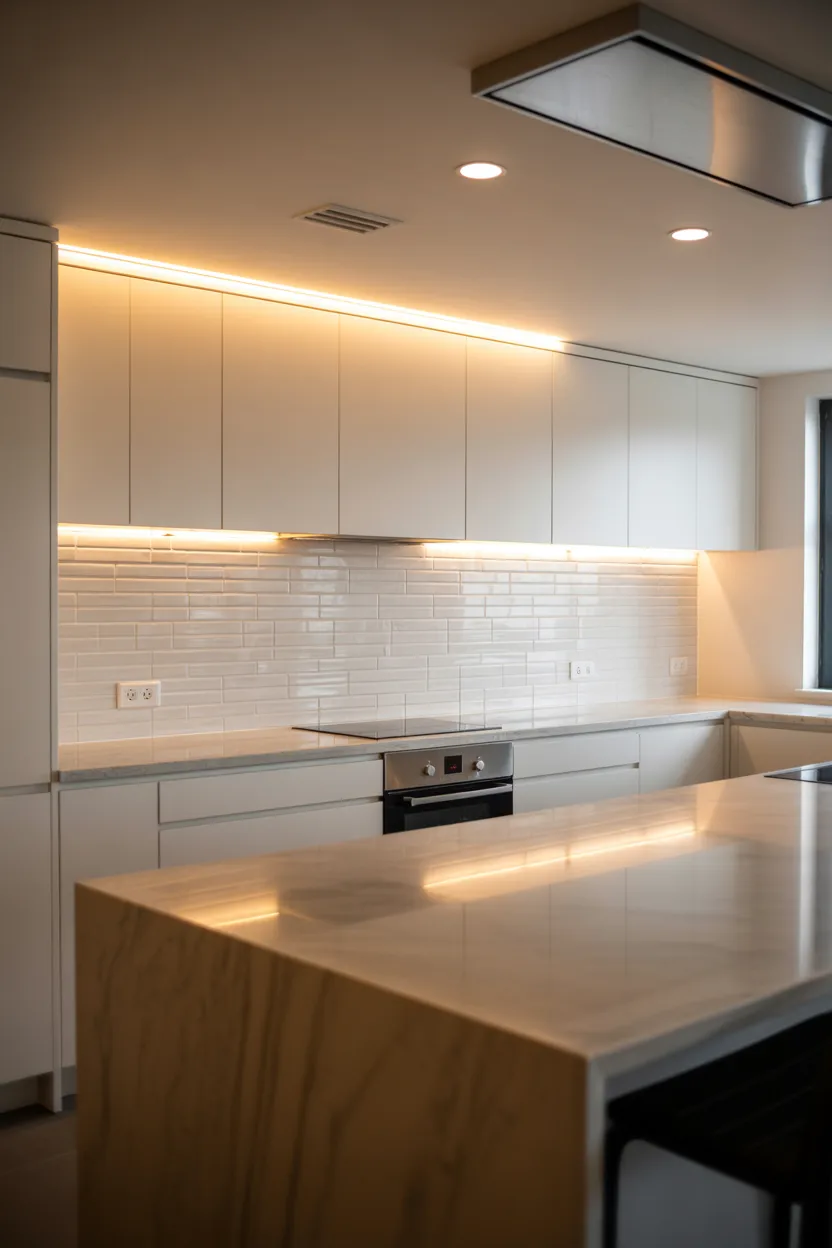
LED lights for kitchen use less energy, last longer, and offer better control over brightness and color temperature. That makes them ideal for almost every kitchen lighting application.
For most kitchens, warm to neutral LEDs create the best balance. Cool white can feel harsh, while overly warm tones may reduce visibility.
LEDs are especially useful in under-cabinet lighting, ceiling fixtures, and accent lighting because they stay cool and are easy to hide.
Warm Kitchen Lighting Tips for a Comfortable Feel
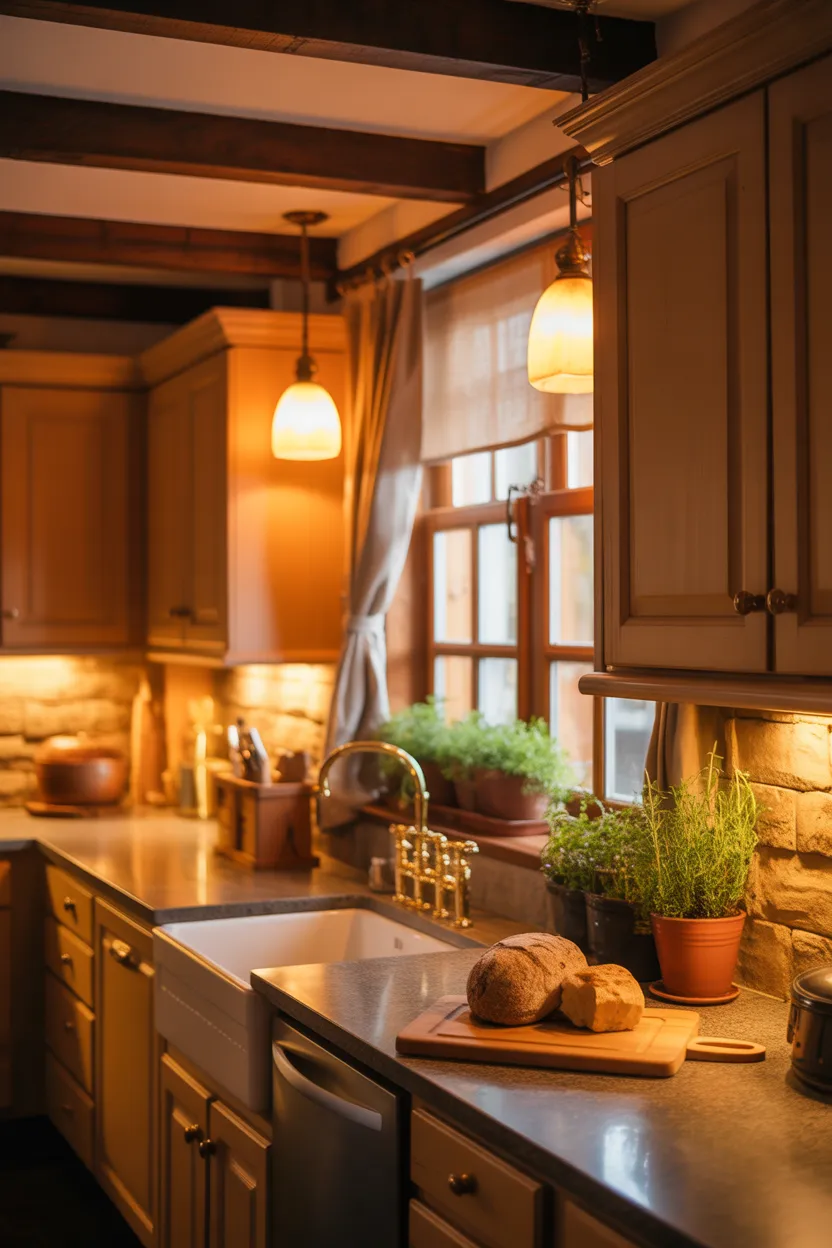
These warm kitchen lighting tips focus on comfort. Kitchens shouldn’t feel sterile, especially if they connect to dining or living areas.
Warm lighting softens hard surfaces like stone and tile. It also makes the kitchen feel more inviting in the evening. Using warm-toned bulbs in accent and cabinet lighting is an easy way to achieve this without sacrificing visibility.
The key is balance—warm light where you relax, brighter light where you work.
The Role of Kitchen Accent Lighting
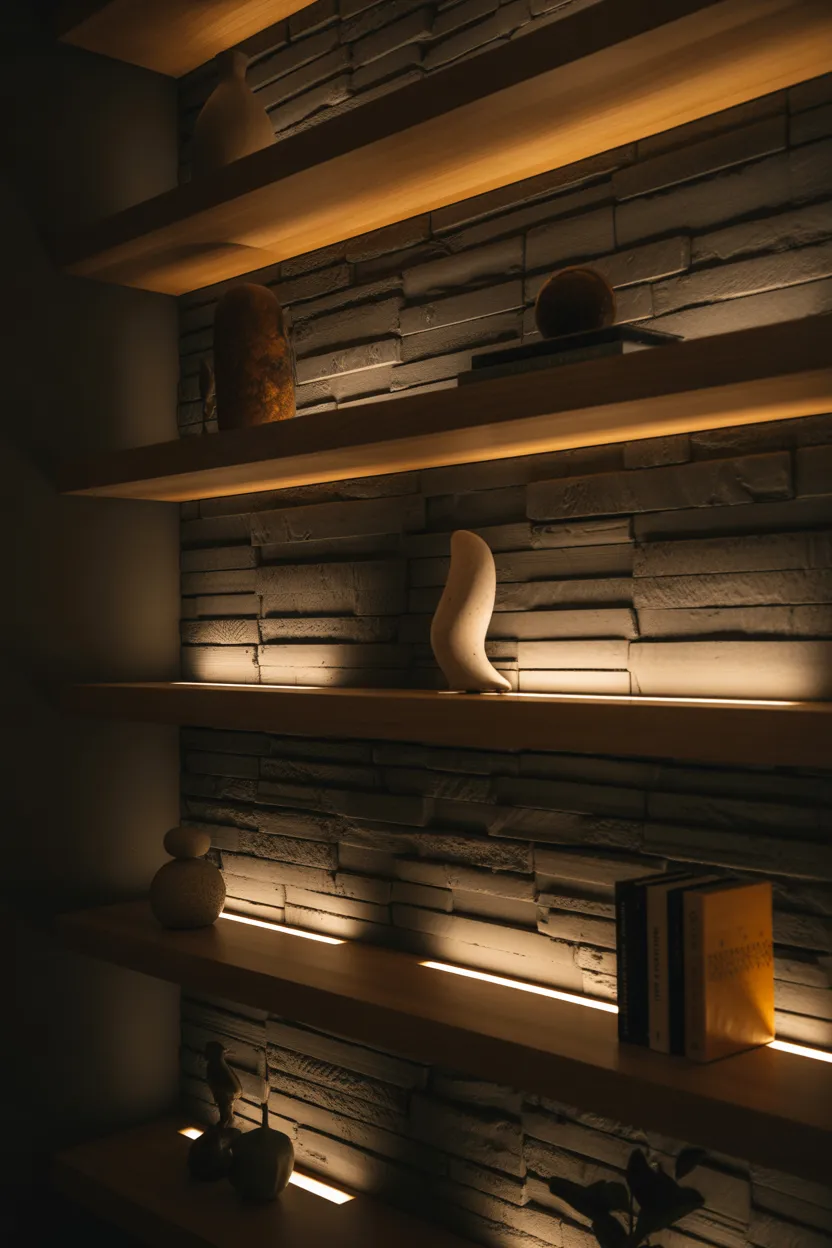
Kitchen accent lighting adds character without overpowering the space. It highlights textures, shelves, or architectural details and helps the kitchen feel layered and intentional.
Accent lighting should be subtle. Its purpose is to enhance, not dominate. When done right, it adds depth and visual interest, especially in modern or minimalist kitchens.
Simple Kitchen Lighting Solutions That Actually Work
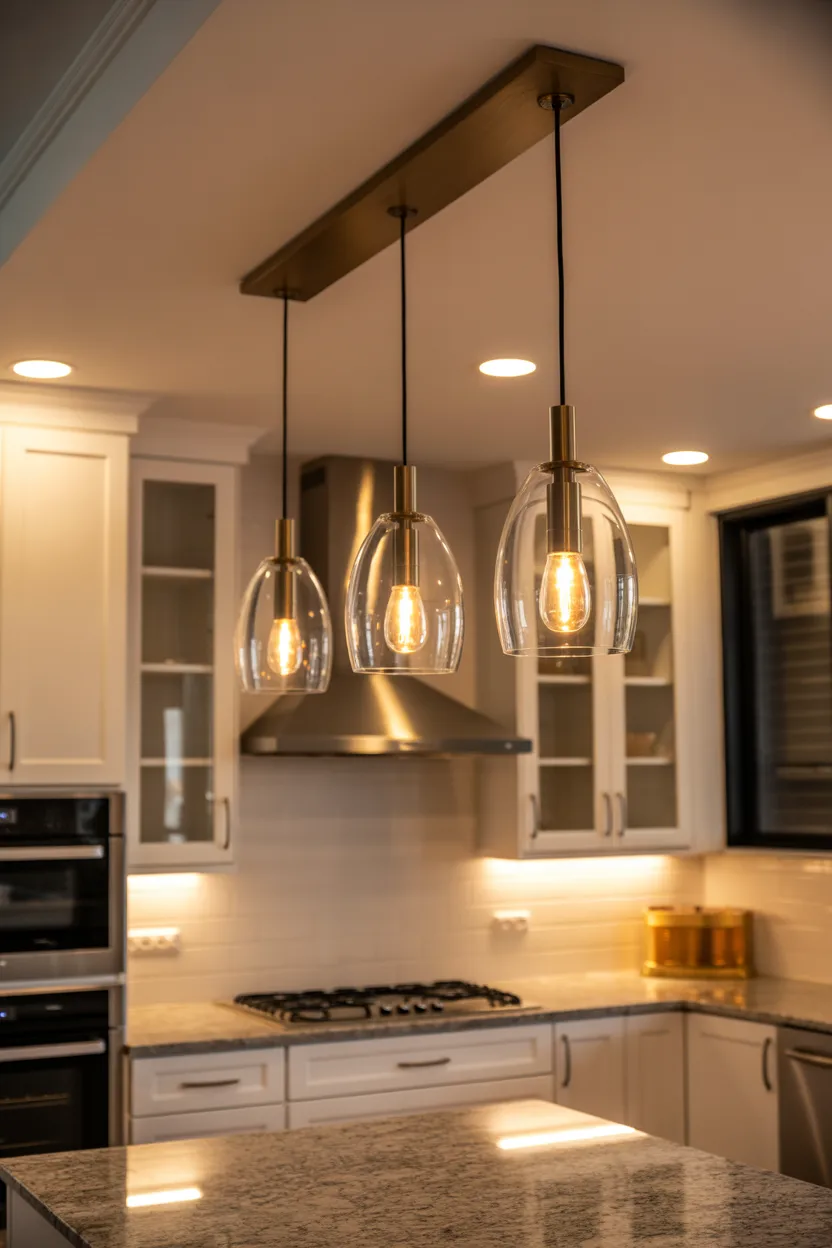
Not every kitchen needs a full lighting overhaul. Simple kitchen lighting solutions—like adding LED strips, switching bulb temperatures, or installing dimmers—can dramatically improve the space.
These upgrades are affordable and often renter-friendly. Even small changes can fix common lighting problems like shadows and uneven brightness.
If your kitchen feels “almost right,” small lighting tweaks are often the missing piece.
Efficient Kitchen Lighting Tips for Daily Use
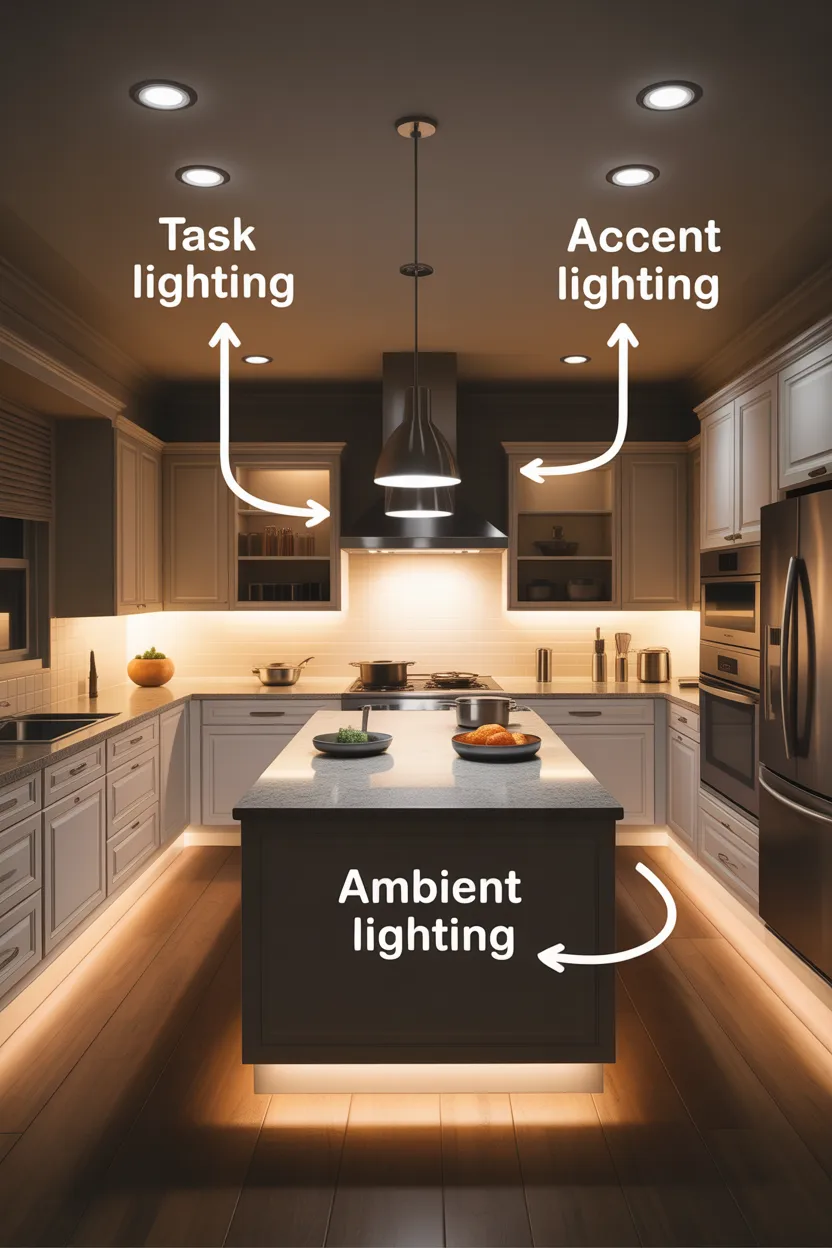
The most efficient kitchen lighting tips focus on control. Zoning lights, using dimmers, and choosing LEDs ensures light is only used where needed.
This reduces energy use and makes the kitchen more adaptable throughout the day. Morning prep, afternoon cooking, and evening meals all benefit from different lighting levels.
Modern Kitchen Lighting Setup for Today’s Homes
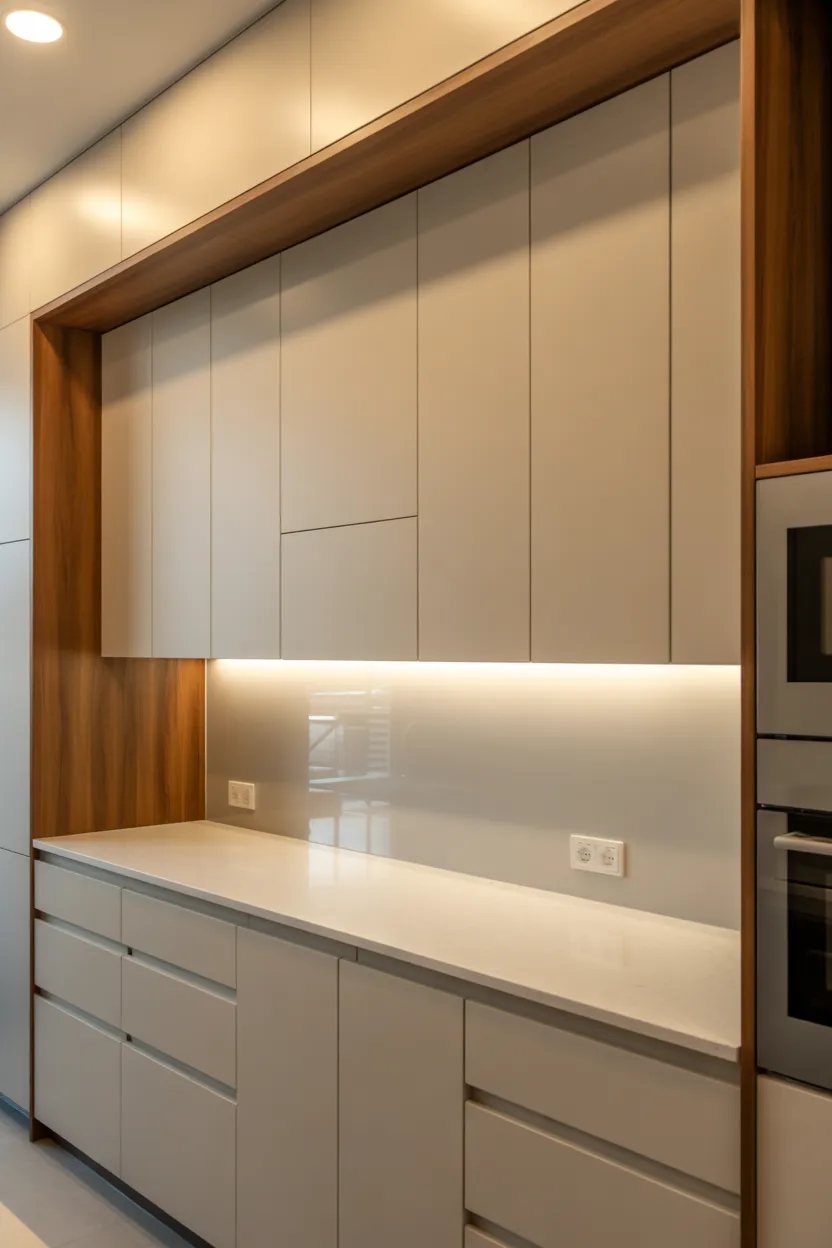
A modern kitchen lighting setup emphasizes clean lines, hidden light sources, and smart controls. Integrated LEDs, concealed strips, and minimalist fixtures keep the focus on the design, not the hardware.
Modern lighting setups are flexible, efficient, and visually uncluttered—perfect for contemporary kitchens.
FAQs
What is the most important kitchen lighting tip?
Layer your lighting. Ambient, task, and accent lighting should work together.
How do I avoid shadows when cooking?
Use under-cabinet lighting and position ceiling lights in front of work areas.
Are LED lights good for kitchens?
Yes. They’re energy-efficient, long-lasting, and versatile.
What color light is best for kitchens?
Warm to neutral white (2700K–3000K) works best for most homes.
Final Thoughts
Lighting isn’t just about seeing—it’s about how your kitchen feels and functions every day. With these basic kitchen lighting tips, you can create a space that’s bright when it needs to be, warm when it should be, and comfortable all the time.
If your kitchen feels easy to use and pleasant to be in, your lighting is doing its job—and that’s when you know you’ve done it right.