
10 Inspiring Bedroom Ideas to Transform Your Space with Style and Function
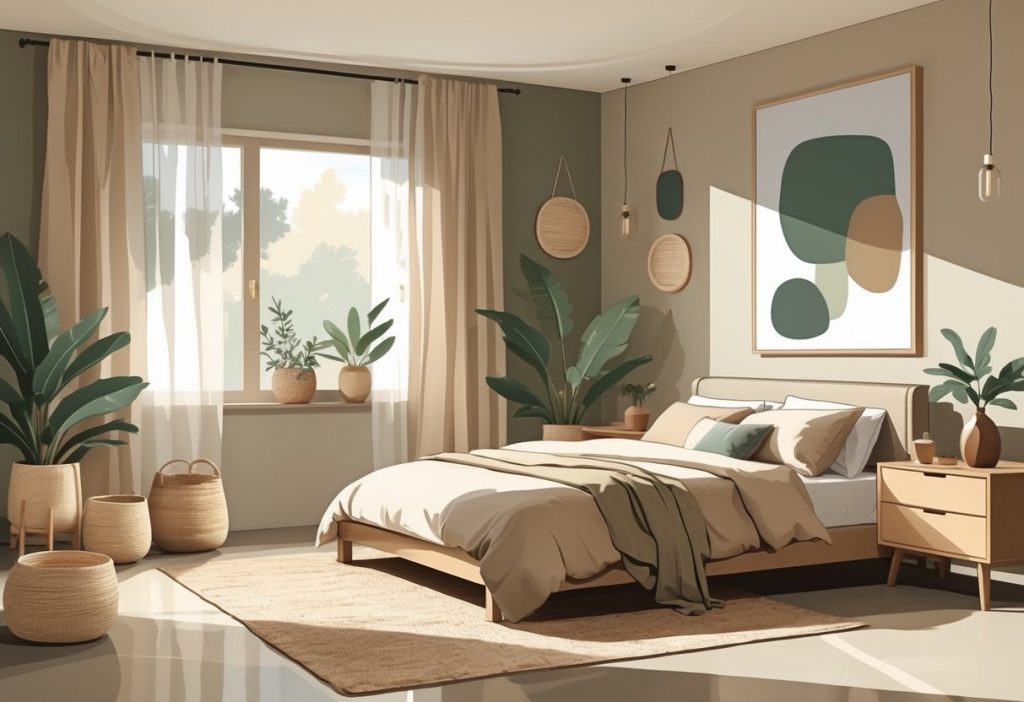
A bedroom is more than just a place to sleep; it is a personal space where comfort and style come together. Many people look for ways to refresh this important room to create a peaceful and inviting atmosphere.
This article explores 10 inspiring bedroom ideas that can help transform a space into a relaxing retreat suited to anyone’s taste. These ideas focus on making bedrooms both functional and visually appealing without overcomplicating the design.
1) Nature-inspired elements with indoor plants and wood accents
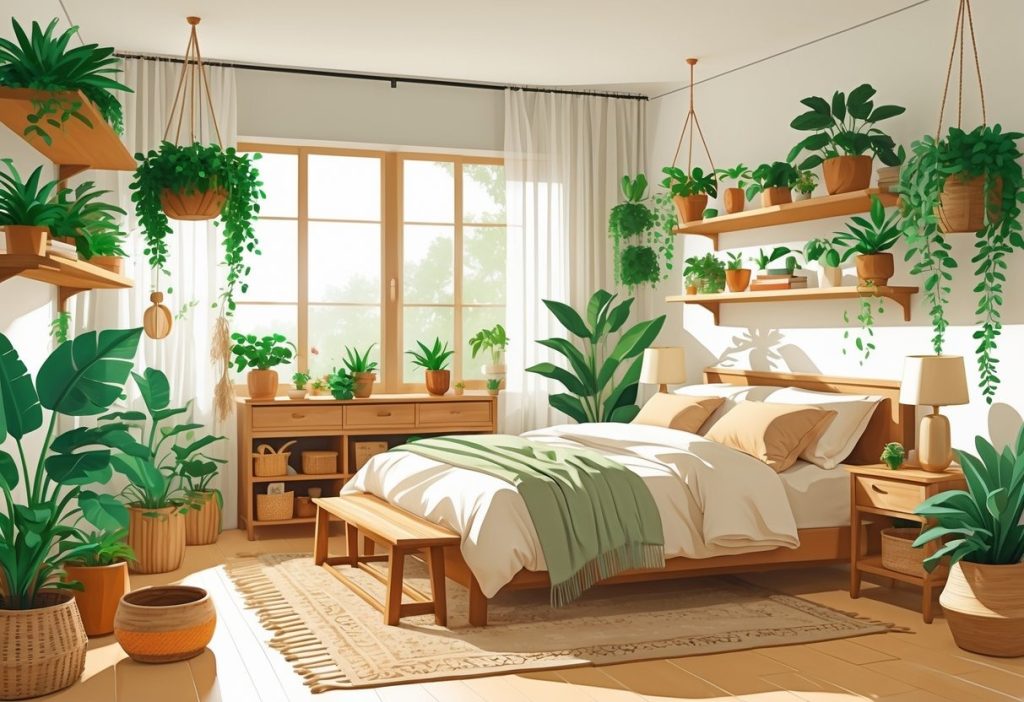
Adding indoor plants brings a fresh, calming vibe to the bedroom. Plants improve air quality and create a peaceful atmosphere. Small potted plants or larger leafy greens can fit any bedroom size.
Wood accents add warmth and natural texture. Wooden furniture, like bed frames or side tables, gives the room a cozy yet elegant look. Wood paneling or wooden ceiling beams can also enhance the space.
Combining plants with wood creates a balanced, nature-inspired retreat. This mix helps connect the indoors with the outdoors, making the room feel more relaxing. Using these natural materials supports a simple, grounded design approach.
For more ideas on using plants and wood in bedrooms, see examples of nature-inspired interior design ideas and earthy bedroom concepts.
2) Cozy layering of textured bedding and soft throws
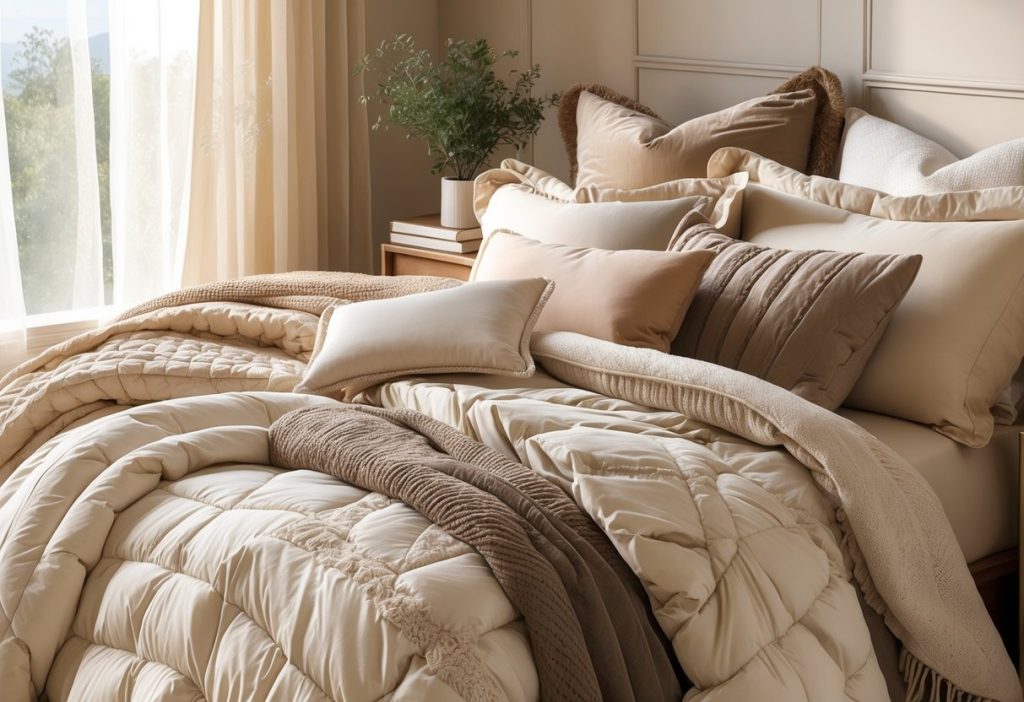
Layering bedding with different textures adds warmth and depth to a bedroom. Start with crisp, soft sheets as a base. Next, add a quilt or duvet that has a noticeable texture, like linen or waffle weave.
Soft throws and blankets on top bring extra comfort. Chunky knit or faux fur throws create a cozy feel without bulk. These layers also allow for easy temperature control during different seasons.
Mixing fabrics like cotton, velvet, and knit adds variety. This helps the bed look inviting while providing a tactile experience. Neutral tones with subtle texture changes keep the look calm and clean.
Using throws at the foot of the bed or casually draped adds style and function. It’s a simple way to refresh the room’s atmosphere and provides extra warmth when needed.
This approach to bedding layering balances comfort and style well. It works in small or large bedrooms and can easily adapt to different décor themes. More ideas for texture and layering can be found in this article on layered bedding ideas for a cozy designer look.
3) Muted earth tone color palettes for a calming atmosphere
Muted earth tones use soft, natural colors that help create a peaceful bedroom space. These colors include dusty pastels, gentle browns, and soft greens. They avoid bright or bold shades, which can feel overwhelming.
This kind of palette adds sophistication without being loud. It brings a quiet, warm feeling that makes the room easy to relax in. These colors work well with wood furniture and simple decor to keep the space grounded.
Using muted earth tones can give the bedroom a timeless look. The calm shades fit many design styles, from modern to rustic. Adding textures like linen or wool can enhance the soft, soothing vibe.
Designers suggest mixing these colors with a touch of black or deep brown for contrast. This helps add depth while keeping the space balanced. Muted earth tone palettes are a smart choice for anyone wanting a restful bedroom atmosphere.
For more ideas on creating a calm space, see 18 Muted Color Palettes That Feel Sophisticated (Not Boring!).
4) Incorporation of smart lighting for adjustable ambiance
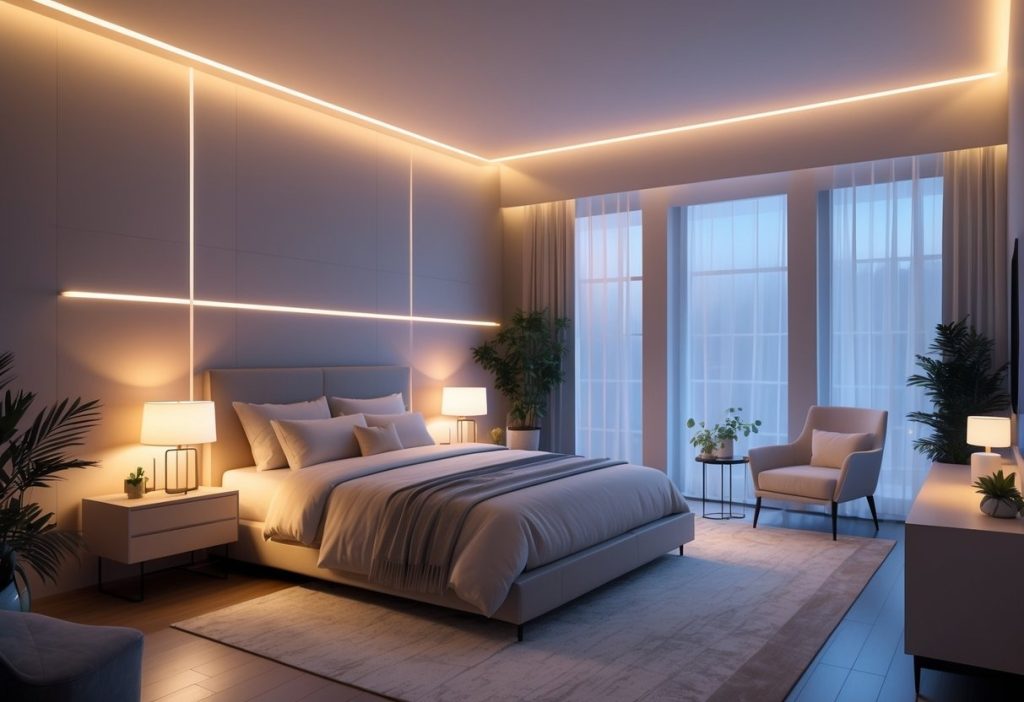
Smart lighting allows users to change the mood of their bedroom easily. With smart bulbs or LED strips, they can adjust brightness and color to fit different times of day or activities. This flexibility helps create a comfortable, personalized environment.
Many smart lighting systems connect to mobile apps or voice assistants. This makes controlling lights simple and convenient without needing to get up. Users can set schedules to wake up gently or dim lights for relaxation.
Color-changing LED strips can add a modern look to the room. They can be placed on ceilings, walls, or furniture to highlight features or create a dynamic atmosphere. This option works well for both relaxation and entertainment purposes.
Smart lighting also often includes energy-saving features. Users can reduce power use by scheduling lights to turn off automatically when not needed. This is practical for saving money and lowering environmental impact.
For those interested, exploring ideas on smart bedroom lighting provides examples of setups that combine style and function effectively.
5) Statement headboards in velvet or reclaimed wood
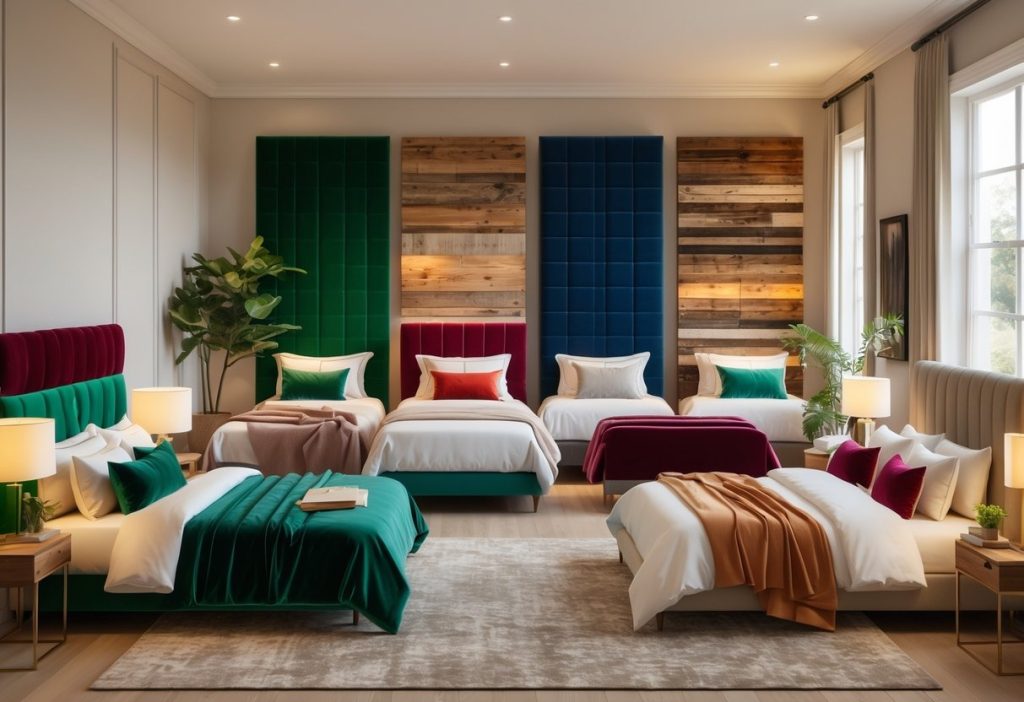
Statement headboards in velvet add a touch of luxury and softness to any bedroom. They create a cozy and elegant atmosphere with rich textures and deep colors. Velvet headboards often come in tufted designs, giving the room a classic and polished look.
Reclaimed wood headboards bring natural warmth and character to the space. They often feature unique grain patterns and imperfections that add charm. Using reclaimed wood is also an eco-friendly choice and works well in rustic or farmhouse styles.
Both velvet and reclaimed wood headboards serve as strong focal points. They define the bedroom’s style and draw attention to the bed. Whether choosing the plush feel of velvet or the earthy appeal of wood, these headboards can transform the room’s overall look.
Mixing materials can add depth. For example, a reclaimed wood frame combined with a velvet panel brings both texture and color contrast. Statement headboards are practical and decorative, making bedrooms more inviting and personalized. For more ideas, see statement headboards made of velvet and wood. source
6) Minimalist furniture with clean, functional lines
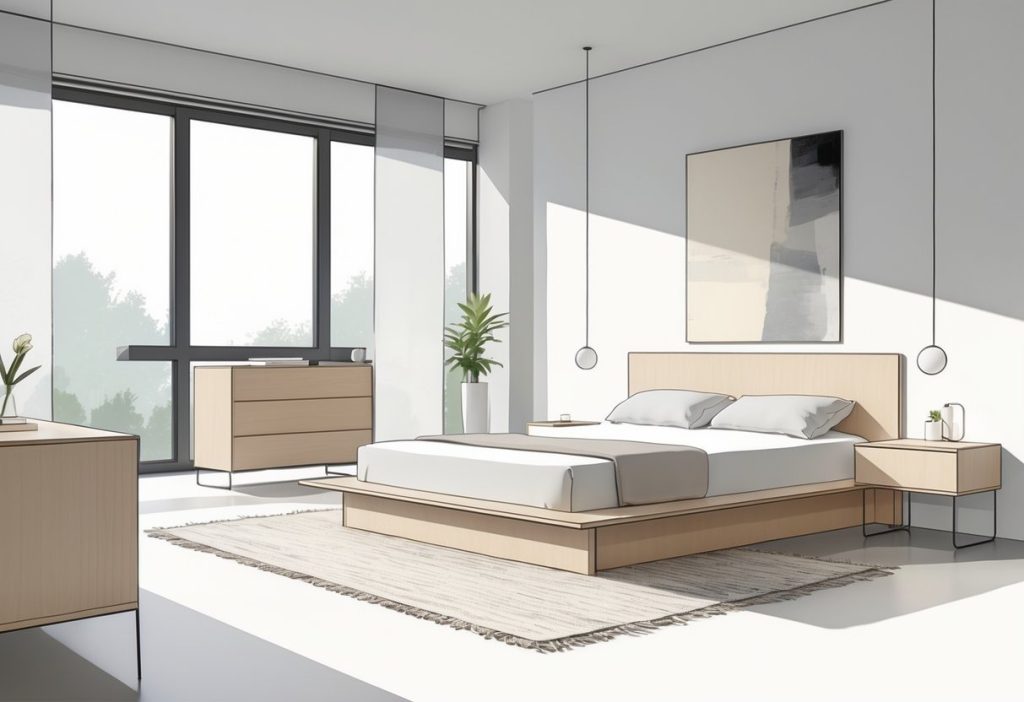
Minimalist furniture focuses on simplicity and purpose. It features clean, straight lines without extra decoration. This type of furniture helps keep the room organized and reduces visual clutter.
Functional design is key. Each piece serves a clear purpose, such as a bed with built-in storage or a sleek dresser without unnecessary handles. This makes the bedroom feel more open and calm.
Materials are often natural or smooth, like wood or metal, which adds to the clean look. Neutral colors like white, beige, or gray fit well with minimalist furniture. These tones create a peaceful atmosphere and make the space feel larger.
Choosing minimalist furniture means avoiding bulky or overly ornate pieces. Instead, the focus is on quality and practicality. This approach supports a relaxing bedroom environment that is easy to maintain.
For more ideas on how minimalist furniture can shape a serene bedroom, see this guide on minimalist bedroom ideas.
7) Use of woven baskets and natural fibers for storage
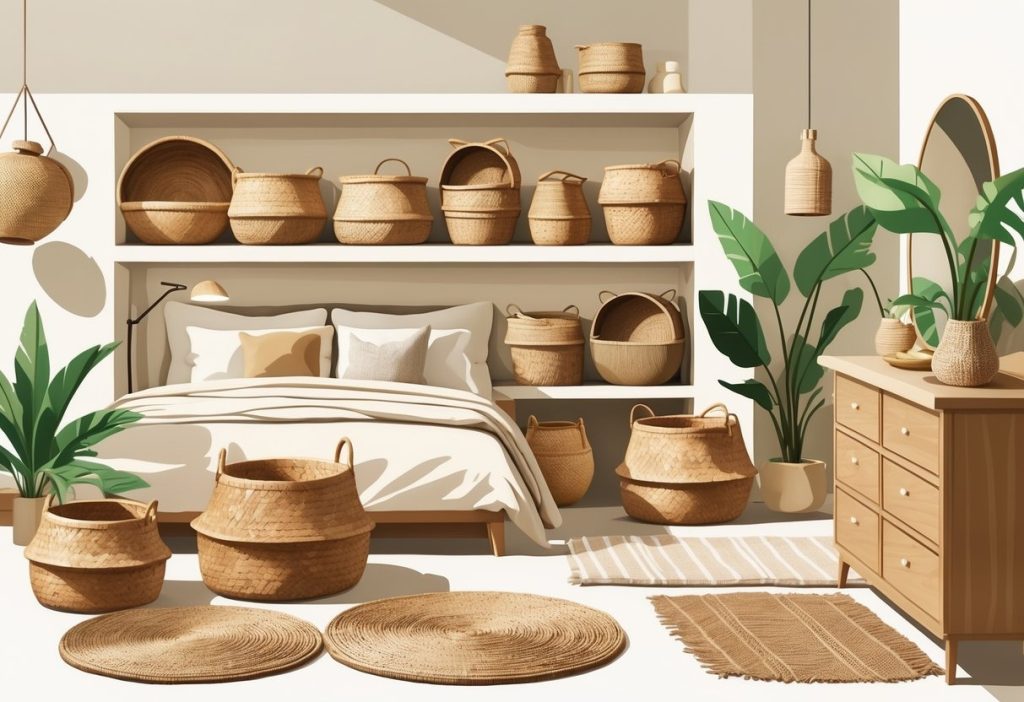
Woven baskets add practical storage while bringing a natural look to the bedroom. They can hold blankets, pillows, or small items that often clutter the space. Different materials like seagrass, cotton, or hemp offer varied textures and durability.
Natural fiber baskets fit well with many bedroom styles, from modern to rustic. A large basket at the foot of the bed is perfect for extra linens. Smaller baskets work on nightstands or shelves to keep essentials neat and accessible.
Using natural fibers also supports eco-friendly choices. Many baskets are handwoven by artisans, making each piece unique. This adds both function and character to the room.
For organizing craft supplies or clothes, baskets keep items visible without mess. They can be arranged on shelves or in closets, helping to maintain a clean look. Overall, woven baskets combine style and storage effectively in bedrooms.
More ideas on using natural fiber baskets can be found at 19 Natural Fiber Organization Solutions for Your Bedroom.
8) Mixing modern and vintage decor pieces
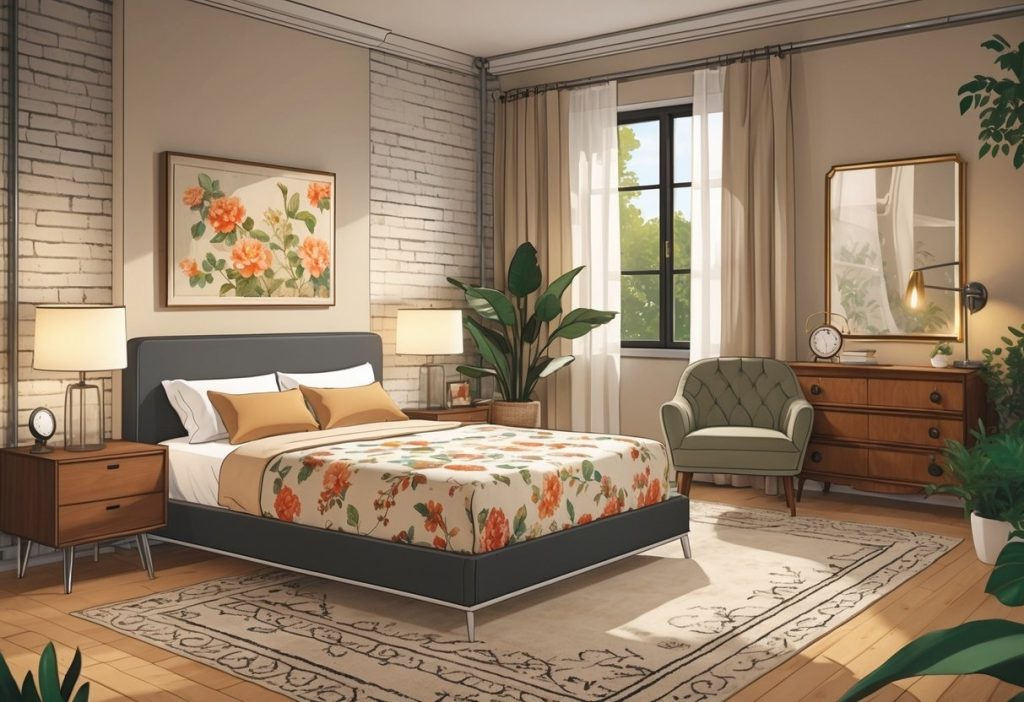
Mixing modern and vintage pieces adds depth and character to a bedroom. It allows for a unique style that feels personal and balanced. Choosing a few statement vintage items, like a chair or rug, can bring warmth without overwhelming the space.
Balancing the mix is important. Pair sleek modern furniture with classic vintage accents to create harmony. For example, a mid-century modern dresser might look great next to a Victorian-style bedframe.
Lighting also plays a key role. Retro-inspired lamps combined with modern fixtures can set the right mood. This blend keeps the room feeling fresh and timeless.
Using a cohesive color scheme helps unify the look. Earthy vintage tones work well with neutral modern shades. This mix enhances both styles without clashing.
For more ideas on how to combine these styles effectively, see 10 ideas for combining modern and vintage decor.
9) Soft, sheer curtains for natural light diffusion
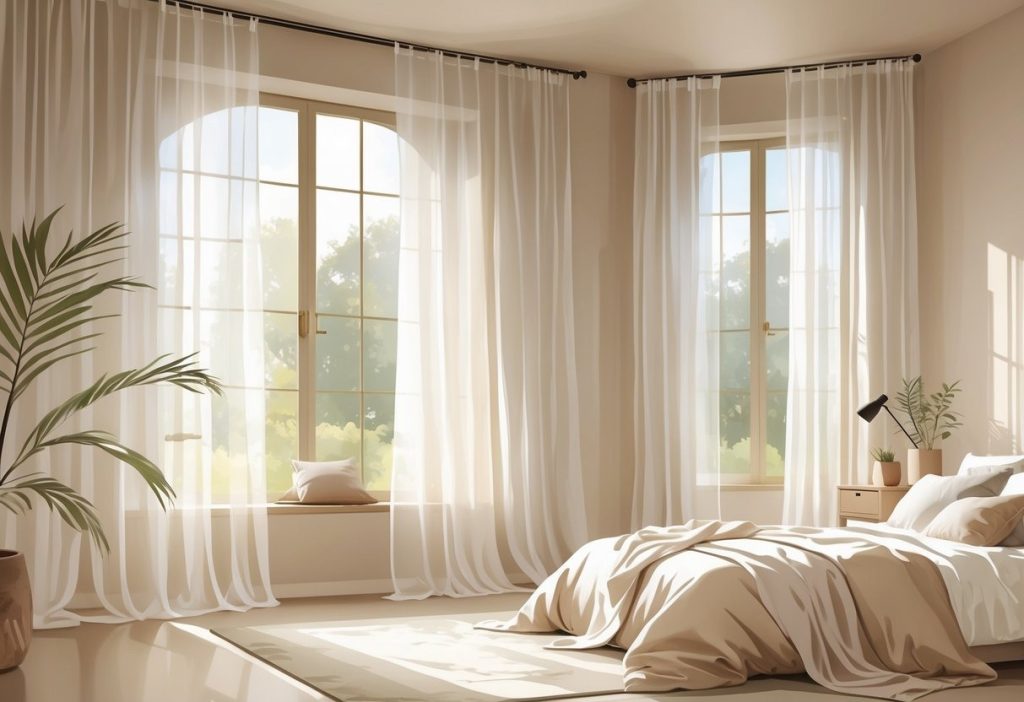
Sheer curtains are a practical choice for bedrooms. They let in natural light while softening it to create a calm and peaceful atmosphere. This helps to reduce harsh sunlight that can make a room feel too bright or uncomfortable.
By filtering sunlight, sheer curtains protect privacy without blocking daylight. This balance makes the bedroom feel open and airy. It also highlights other design elements like wall art or furniture.
Layering sheer curtains with heavier drapes offers more control over light and privacy. During the day, the sheer fabric allows sunlight to gently fill the room. At night, thicker curtains provide full coverage.
Choosing soft fabrics and neutral colors enhances the light diffusion effect. This creates a relaxing mood that suits a bedroom’s purpose. Designers often recommend sheer curtains to promote a fresh and elegant look.
More ideas about using sheer curtains to enhance bedrooms are available at 10 Stylish Sheer Curtain Ideas to Elevate Your Home Decor.
10) Accent walls with botanical or geometric wallpaper
Accent walls with botanical wallpaper bring a natural, calming feel to a bedroom. They add a touch of the outdoors inside, creating a fresh and peaceful atmosphere. Botanical prints often feature leaves, flowers, or vines, which can make the room feel more inviting and serene.
Geometric wallpaper offers a modern and artistic look. Patterns like diamonds, triangles, or hexagons add depth and shape to the space. Using limited colors such as black, white, or gold can keep the design simple yet stylish.
Both botanical and geometric wallpapers work well behind a bed or a main seating area. They create a strong visual focal point without cluttering the room. Combining these patterns with neutral walls balances boldness with calmness.
These wallpaper styles suit many design preferences. Whether someone wants a natural vibe or a sleek, modern edge, accent walls with botanical or geometric wallpaper can transform a bedroom effectively. For more ideas, visit 18+ stylish accent wall ideas with botanical wallpaper or explore geometric accent wall inspiration.
How to Personalize Your Bedroom Design
Creating a bedroom that truly feels like home starts with clear choices about color and decor. The key is to use elements that reflect personality while making the space comfortable and inviting.
Selecting a Color Palette That Reflects Your Style
Choosing the right colors sets the tone for the entire bedroom. A calm, neutral color like soft gray or beige can create a peaceful retreat. For a more energetic atmosphere, bold colors like deep blues or greens work well.
It’s important to think about how colors make one feel. Warm tones like reds and oranges add coziness, while cool tones like blues and greens promote relaxation.
Using a combination of three colors—one main color, a secondary, and an accent—helps keep the design balanced. This palette can extend to bedding, walls, and furniture to create harmony.
Incorporating Personal Touches With Decor
Adding personal items gives the room character and meaning. Family photos, travel souvenirs, or custom artwork can make a space feel unique.
Furniture choice also plays a role. Opting for a piece with a story or a handmade item can add warmth and individuality.
Decorative pillows, rugs, and curtains provide texture and color while reflecting personal taste. Thoughtfully placed plants can bring life and calmness.
Keeping the room clutter-free but filled with meaningful objects creates a welcoming and personal atmosphere. For more ideas on adding a unique touch, explore 29 Bedroom Decoration Inspiration Ideas for a Personalized Touch.
Tips for Maximizing Bedroom Comfort
Creating a comfortable bedroom involves careful choices in both lighting and bedding. These aspects affect how restful and inviting the space feels, directly impacting sleep quality and overall relaxation.
Optimizing Lighting for Ambiance and Function
Good bedroom lighting balances warmth with practicality. Layered lighting works best: a combination of overhead lights, task lamps, and accent lighting offers flexibility.
Dimmer switches allow adjusting brightness to match moods or activities. For reading, adjustable bedside lamps with soft, warm bulbs prevent eye strain.
Natural light improves mood but should be controlled with blackout curtains or blinds to block early morning sun for better sleep.
LED bulbs with a color temperature around 2700K mimic natural warmth and create a soothing atmosphere. Avoid harsh, blue-toned lights that can disrupt the body’s internal clock.
Choosing the Right Bedding Materials
Bedding material impacts comfort, temperature control, and skin health. Cotton is popular for its breathability and softness. It absorbs moisture well, making it good for warmer climates.
For colder rooms, flannel or fleece bedding retains heat and feels cozy. Silk and satin offer smoothness, reducing skin irritation but may trap heat.
Thread count matters, but quality of the fabric is more important. Look for long-staple cotton or linen for durability and comfort.
Hypoallergenic materials help prevent allergies. Pillows and mattresses should complement the bedding, offering proper support to improve sleep quality.
Choosing bedding that suits personal needs and room conditions enhances overall comfort.
For more details on maximizing comfort through design and materials, see 14 Inspiring Bedroom Design Ideas for Every Style and Space.


