10 Chic Small Bedroom Ideas That Feel Ultra Luxurious!

Designing a small bedroom often feels like fitting too many pieces into a small puzzle. Yet, with thoughtful choices, any compact space can look stylish and feel comfortable. The key lies in blending smart design and simple style to make the most of every inch. Subtle updates in furniture, lighting, and layout can change a cramped room into a calm, inviting retreat.
This article explores practical ways to combine style and space-saving design. It focuses on how layout, color, and decor work together to improve both function and comfort. Whether the goal is a cleaner look, better organization, or a more relaxing feel, each idea offers clear steps toward a balanced and chic small bedroom.
1) Use low-profile beds with built-in storage drawers
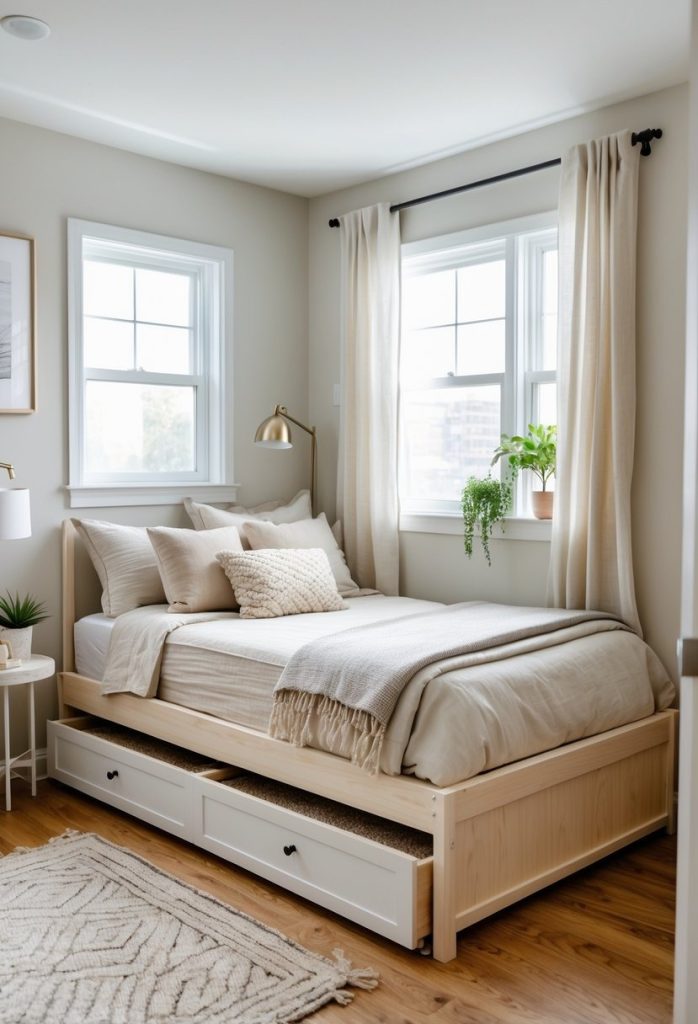
Low-profile beds help make small bedrooms feel more open. Their shorter frames reduce visual bulk and keep the room balanced.
When drawers are built into the base, the bed doubles as hidden storage. This design keeps clothes, linens, or small items organized without the need for extra furniture.
2) Install floating wall shelves for stylish space-saving storage
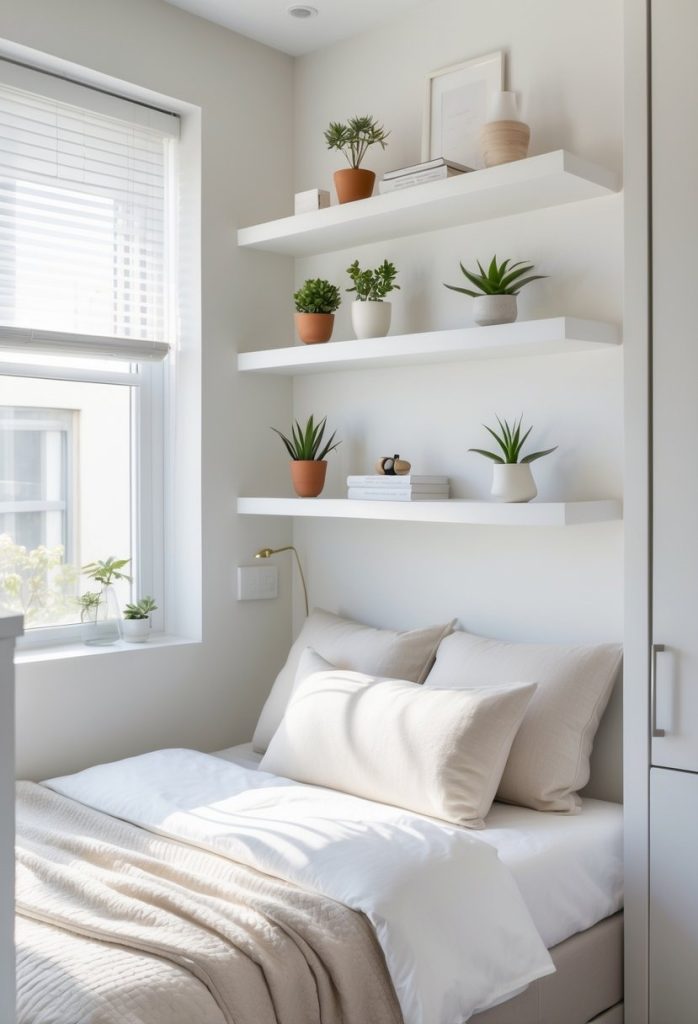
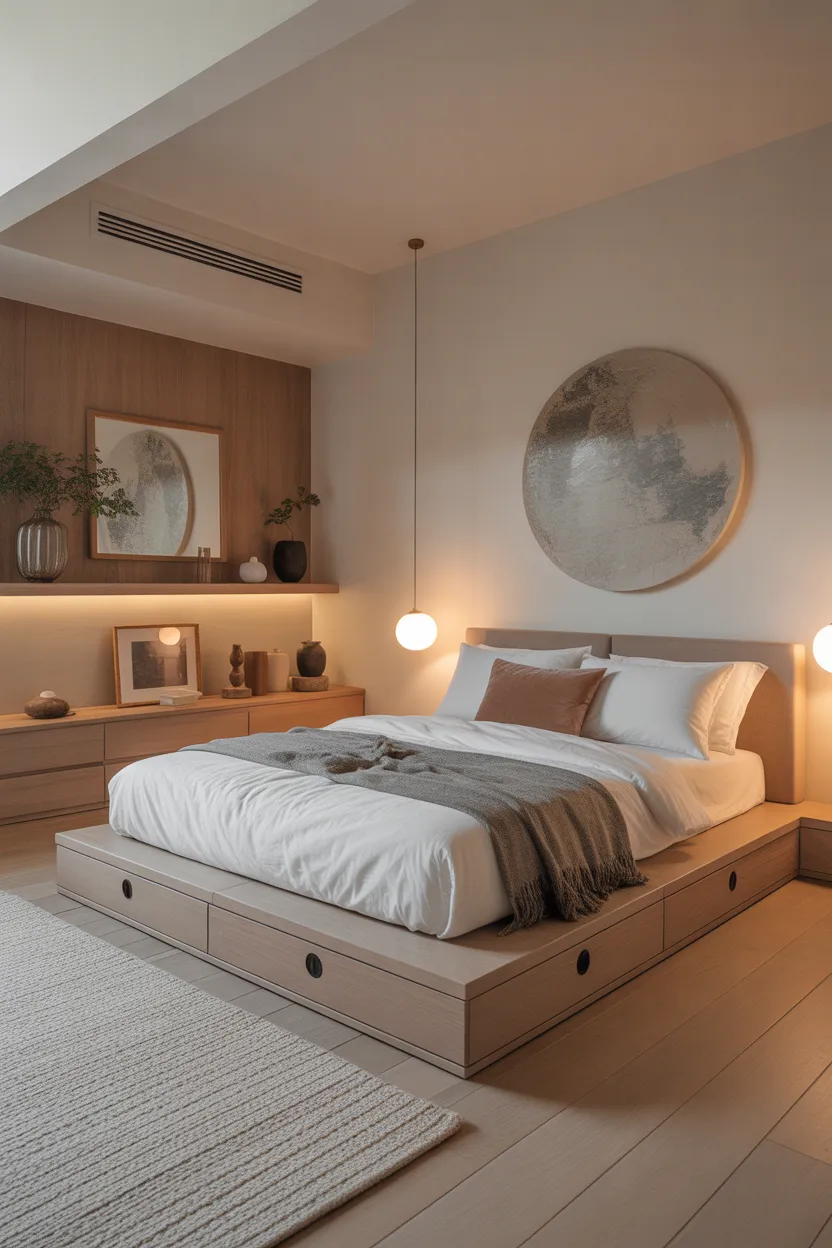
Floating wall shelves help organize small bedrooms without taking up floor space. They create room for books, decor, or daily essentials while keeping surfaces clear.
These shelves work well above a desk, next to the bed, or around a corner. With simple installation, they add both function and clean design to compact spaces.
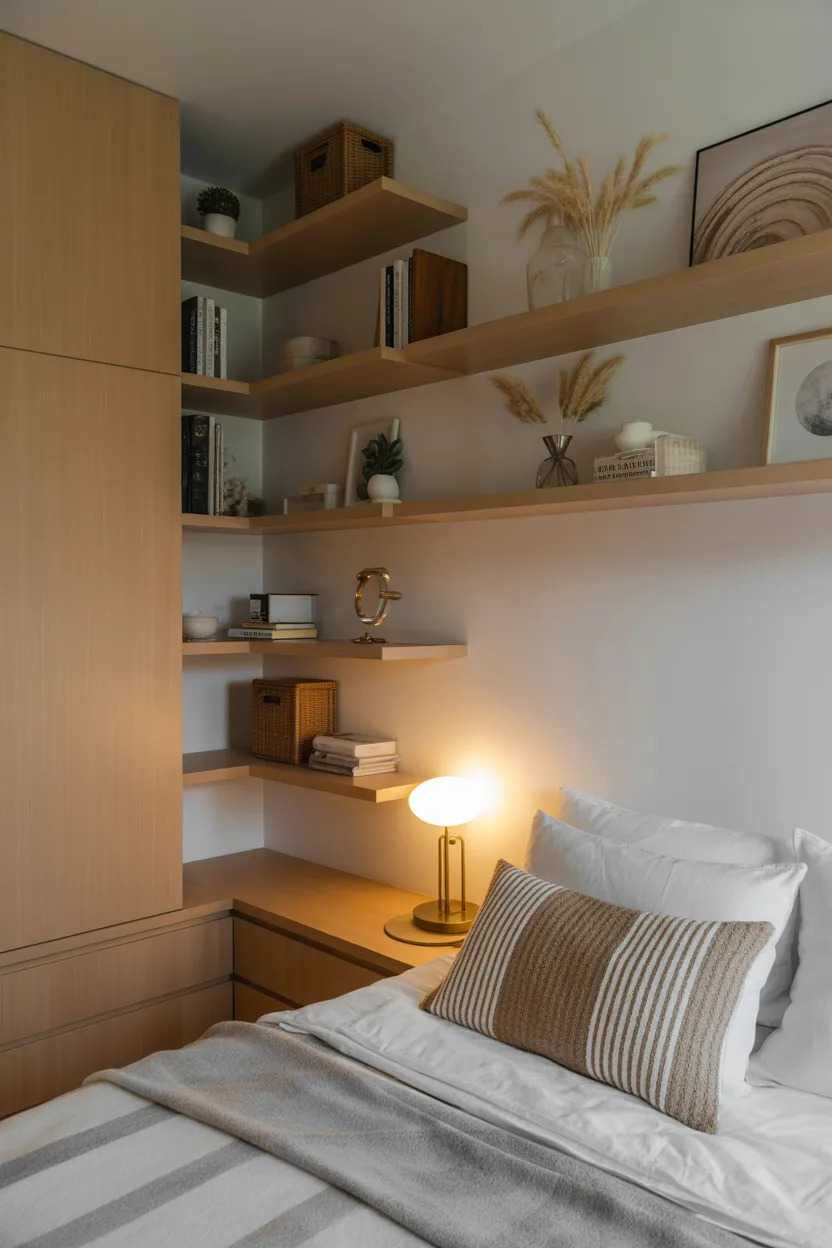
3) Incorporate neutral color palettes to create a calming atmosphere
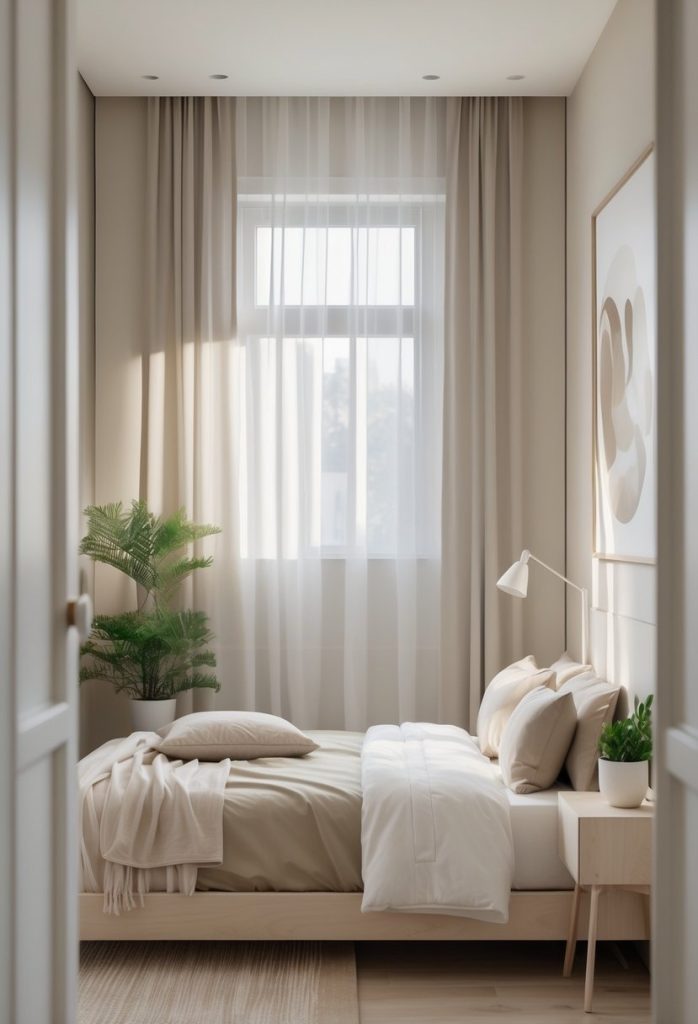
Neutral colors help small bedrooms feel open and balanced. Shades like beige, taupe, gray, and off-white make the space appear larger and brighter.
They also blend easily with different textures and materials. Adding wood accents, soft linens, or woven rugs keeps the room calm yet visually interesting.
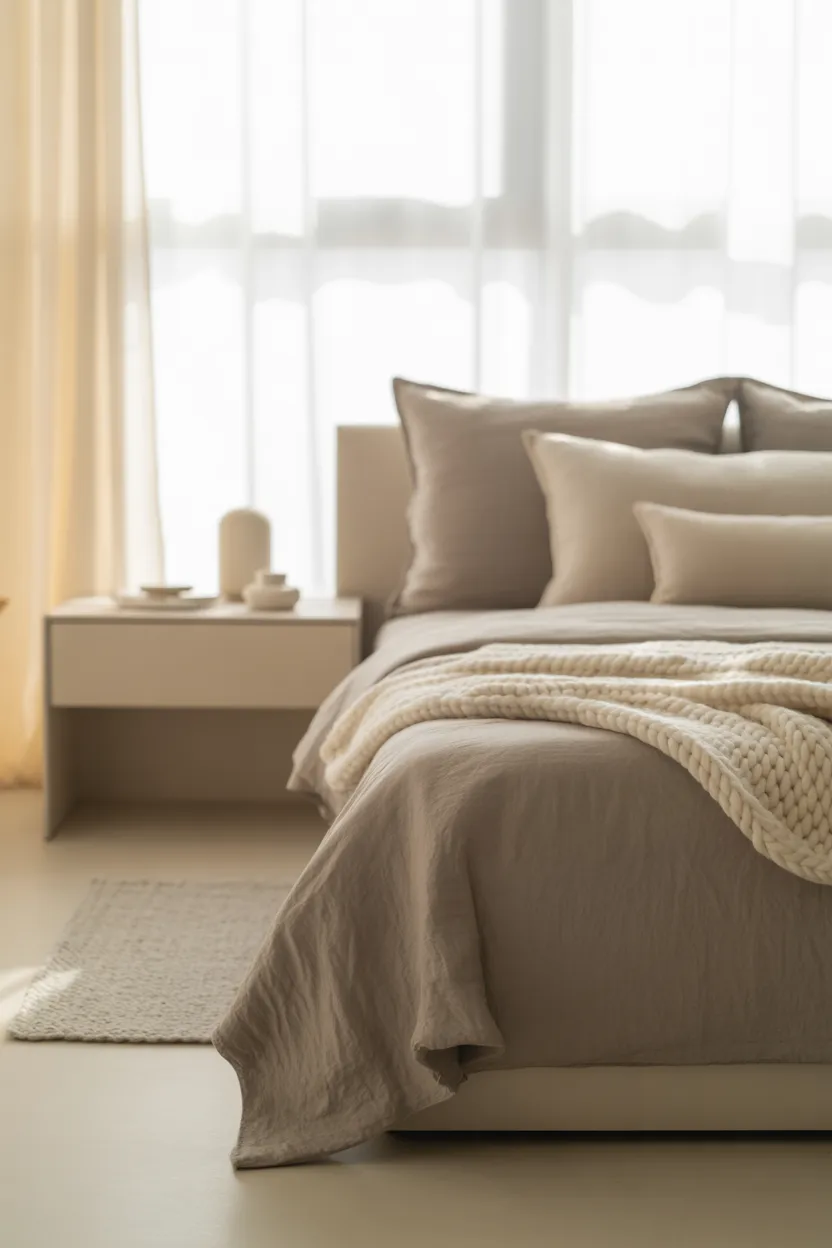
4) Layer bedding with soft textures for added coziness
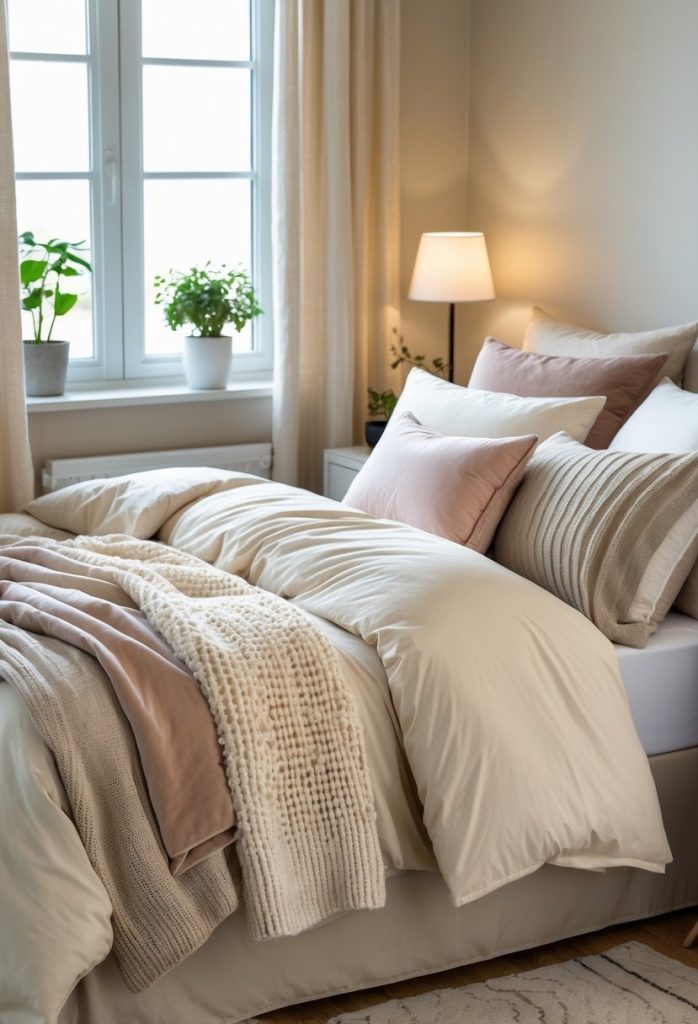
They can make a small bedroom feel more inviting by mixing materials like cotton, linen, and knits. A lightweight quilt, soft throw, and a few textured pillows add warmth without cluttering the bed.
Choosing neutral or light colors helps keep the space open while maintaining a comfortable, layered look.
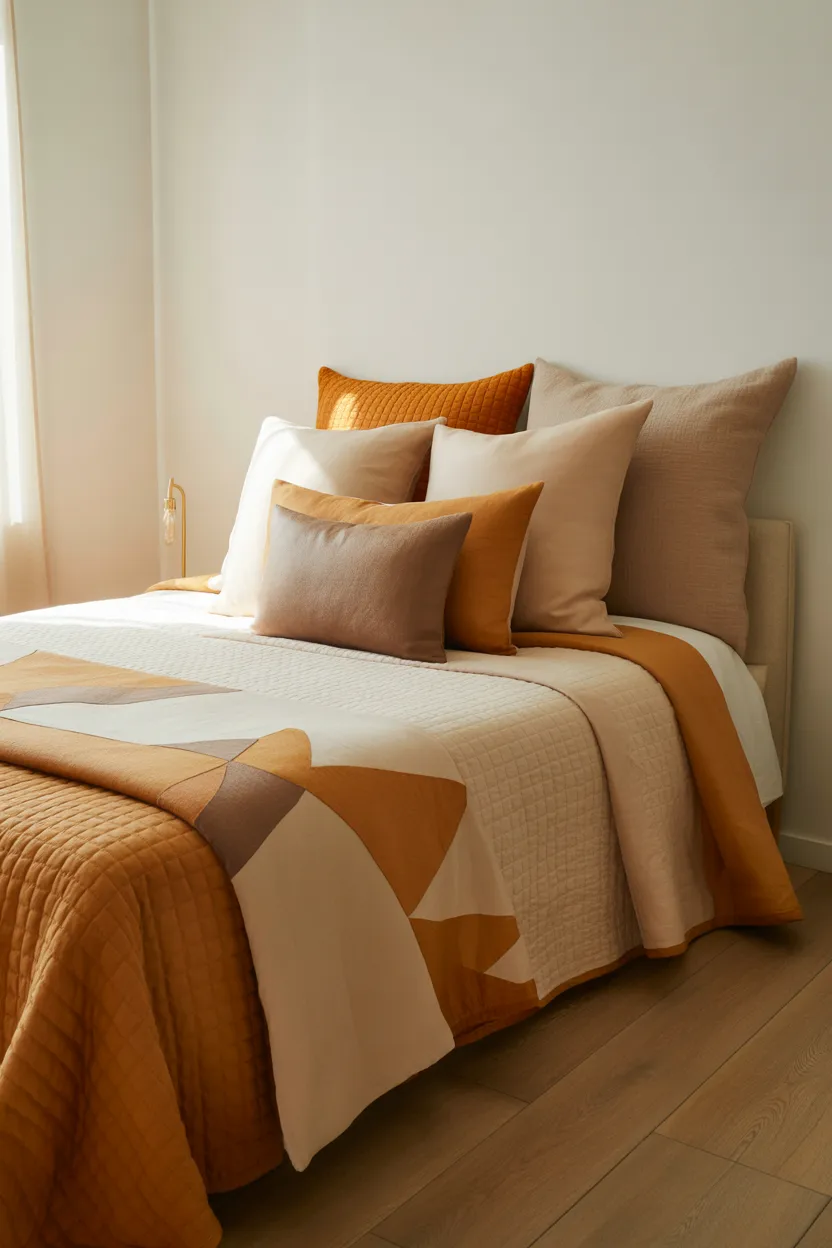
5) Add mirrors to visually expand the room
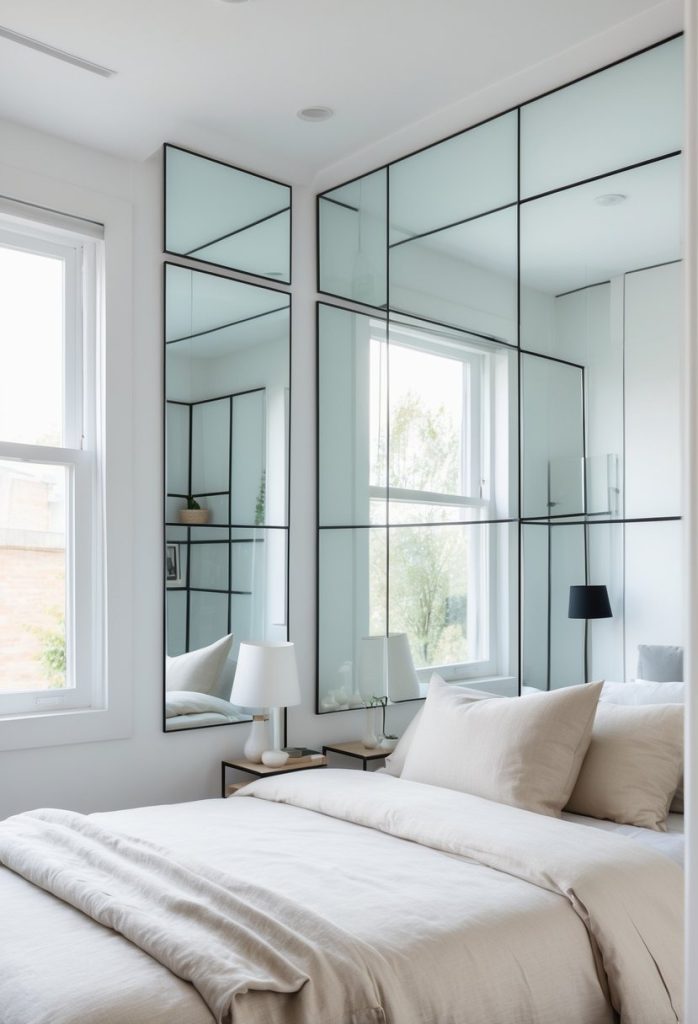
Mirrors create the illusion of a larger space by reflecting light and nearby surfaces. When placed across from a window, they brighten a small bedroom and make it feel more open.
A tall mirror leaned against a wall or a wide mirror above a dresser adds depth. Simple frames keep the look clean.
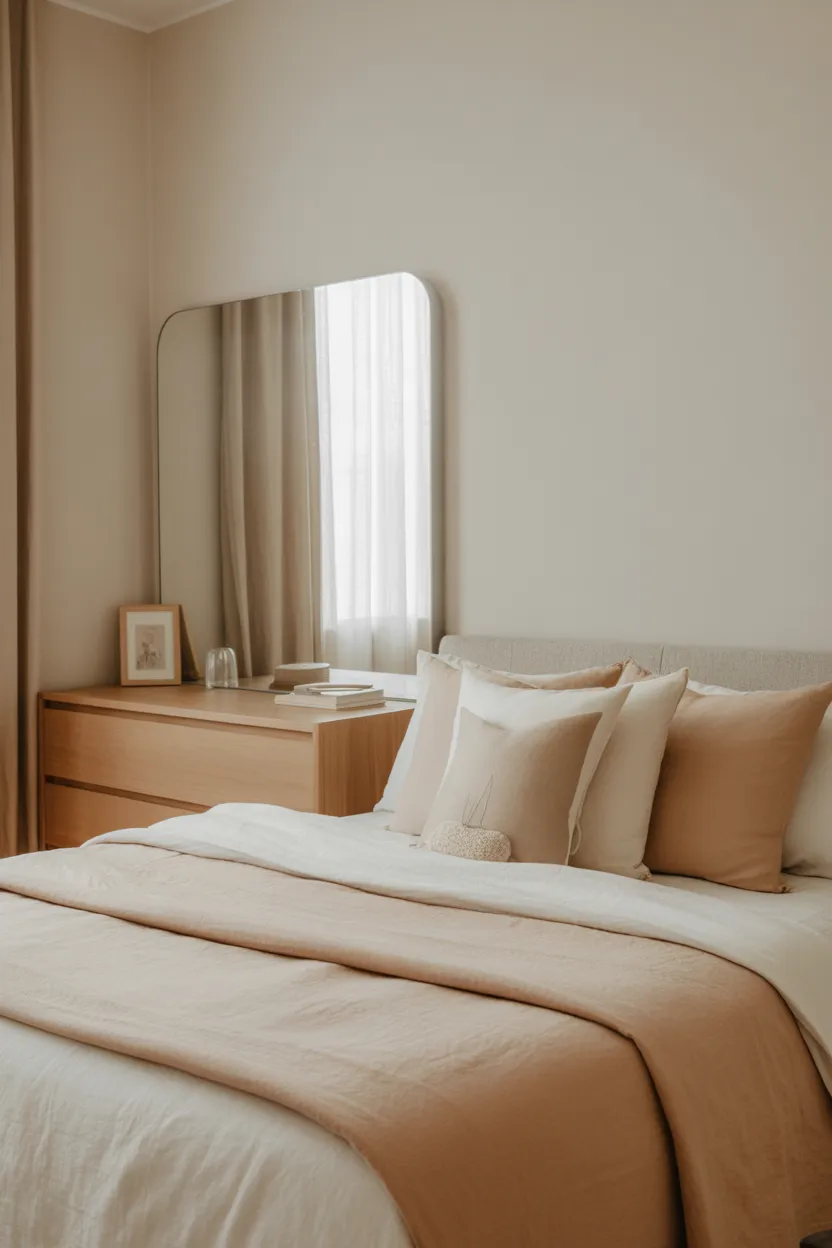
6) Use string lights to enhance ambiance without clutter
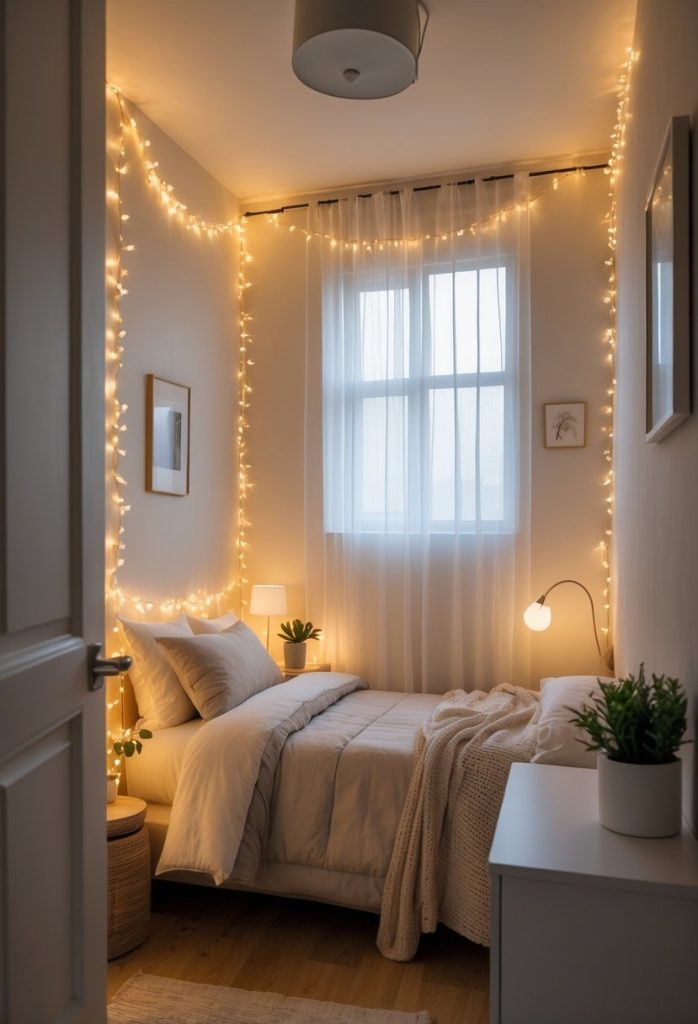
String lights add soft, even lighting that makes a small bedroom feel comfortable and welcoming.
They work well along a headboard, window frame, or wall edge without taking up floor or table space.
By choosing warm white or soft-toned bulbs, they provide gentle light that enhances the mood while keeping the room simple and tidy.
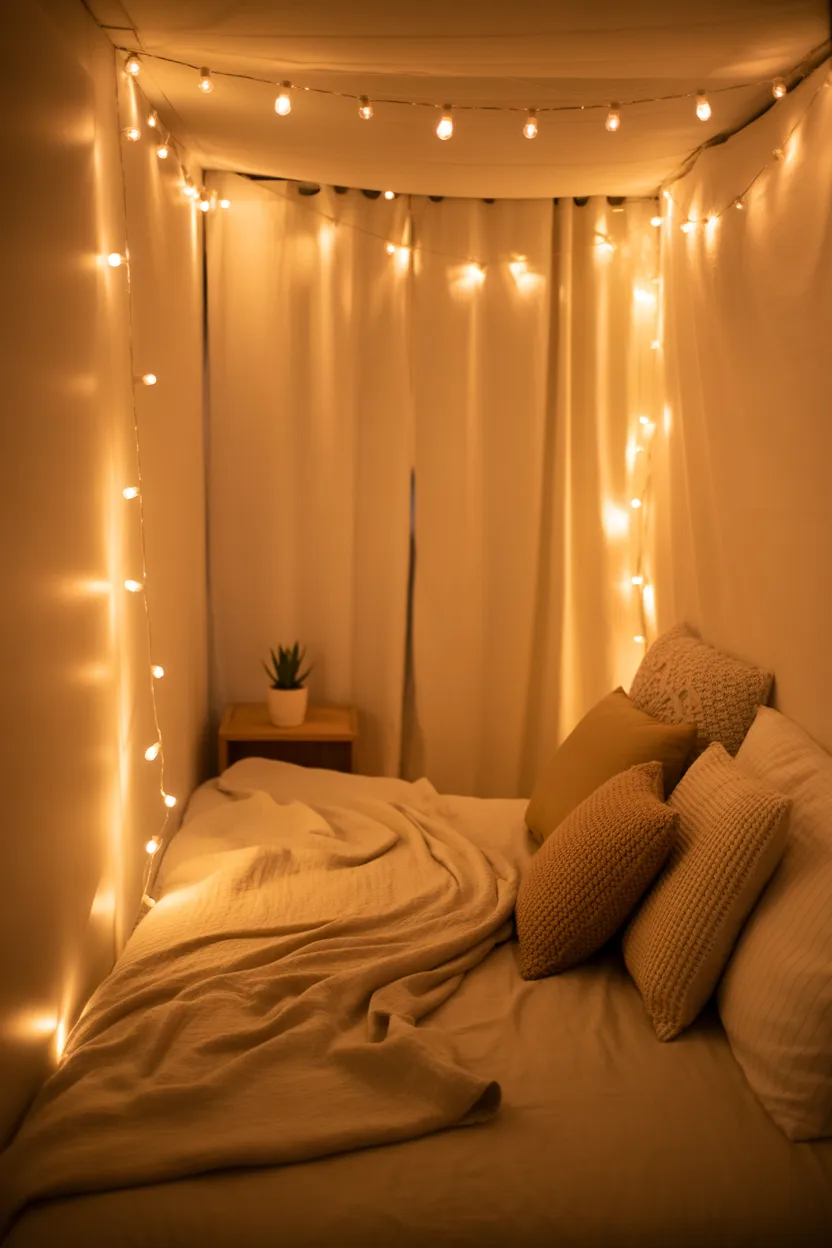
7) Choose multifunctional furniture like fold-out desks
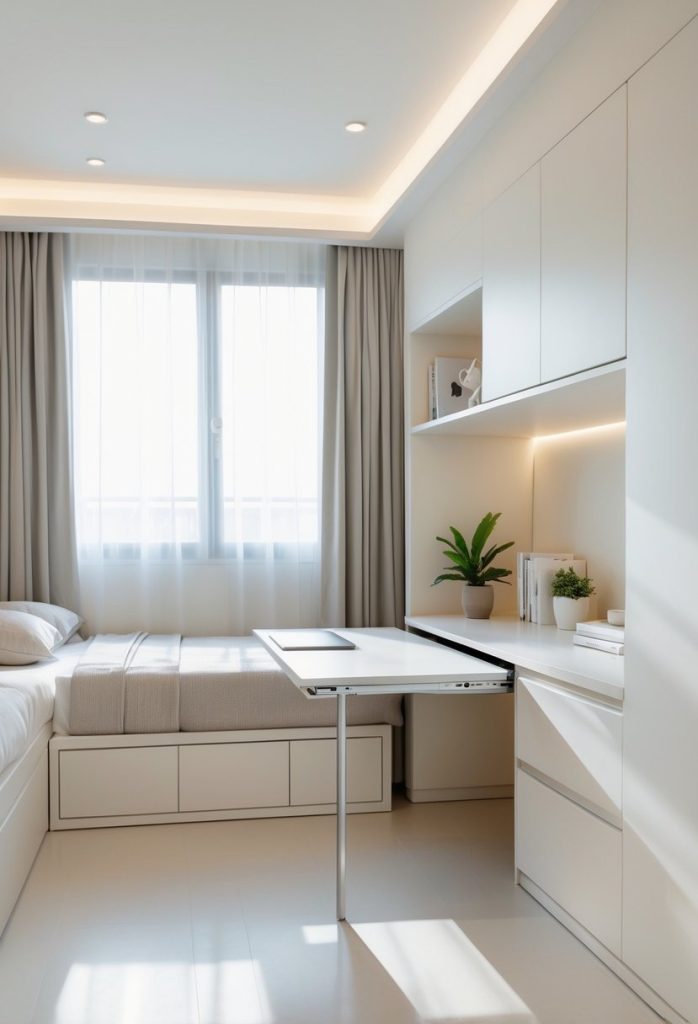
They can save space while keeping the room practical. A fold-out desk provides a work surface when needed and folds away to open the floor.
Storage ottomans hold bedding or clothes while serving as seating.
A bed with drawers or built-in shelving adds hidden storage without extra furniture.
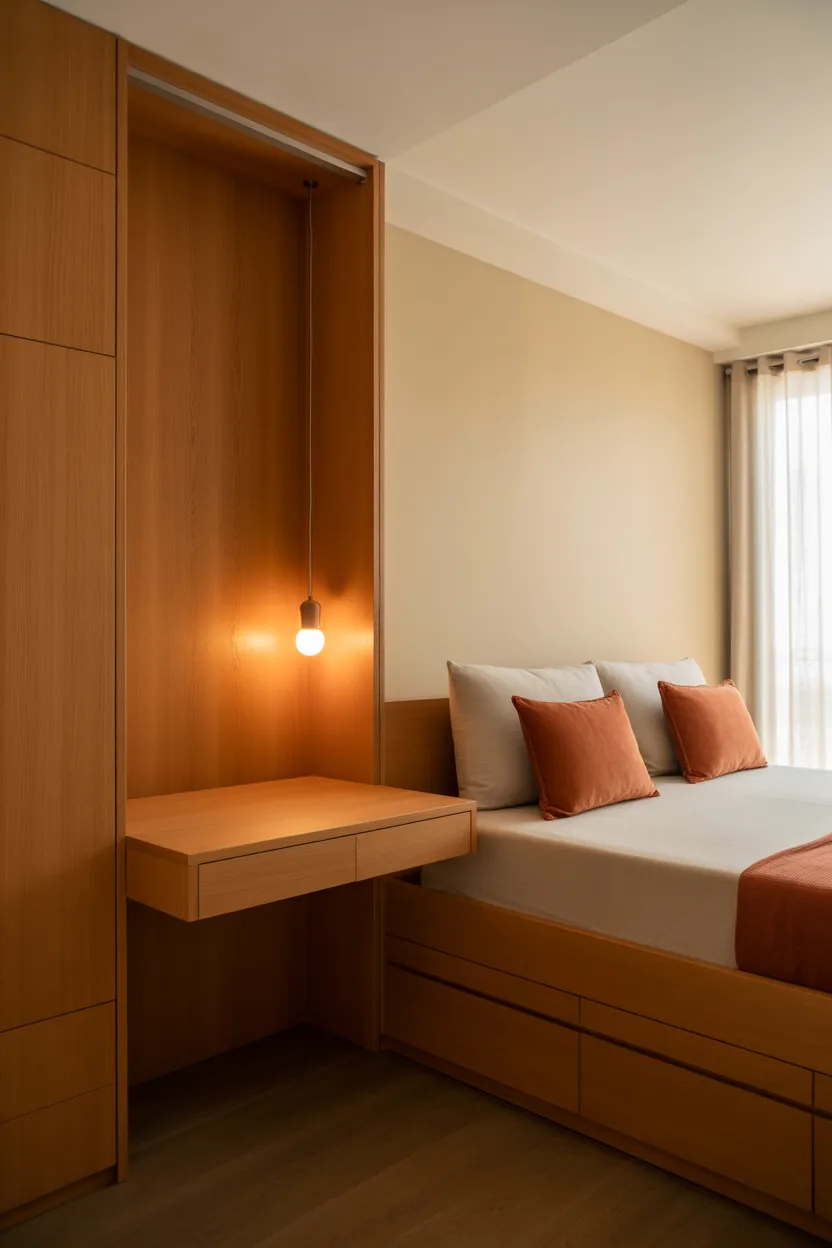
8) Maximize vertical space with tall, slim bookcases
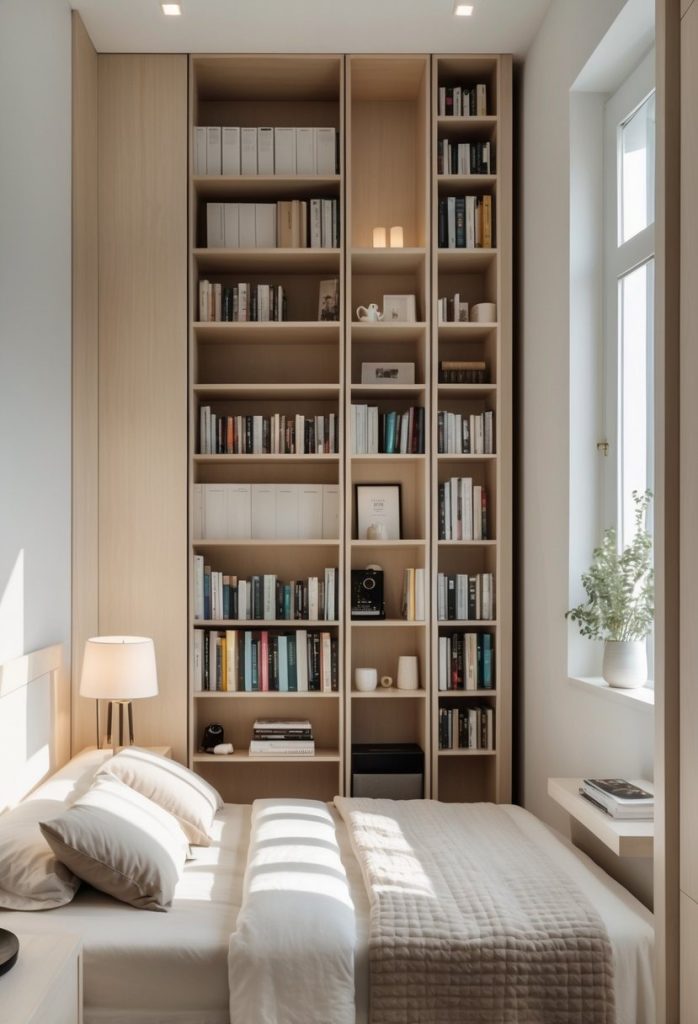
Tall, slim bookcases help use wall height efficiently and free up floor space. They fit into narrow corners or beside furniture, keeping items organized without cluttering the room.
Using vertical storage draws the eye upward, making small bedrooms feel more open. Shelves with built-in drawers or cabinets add discreet storage for a tidy look.
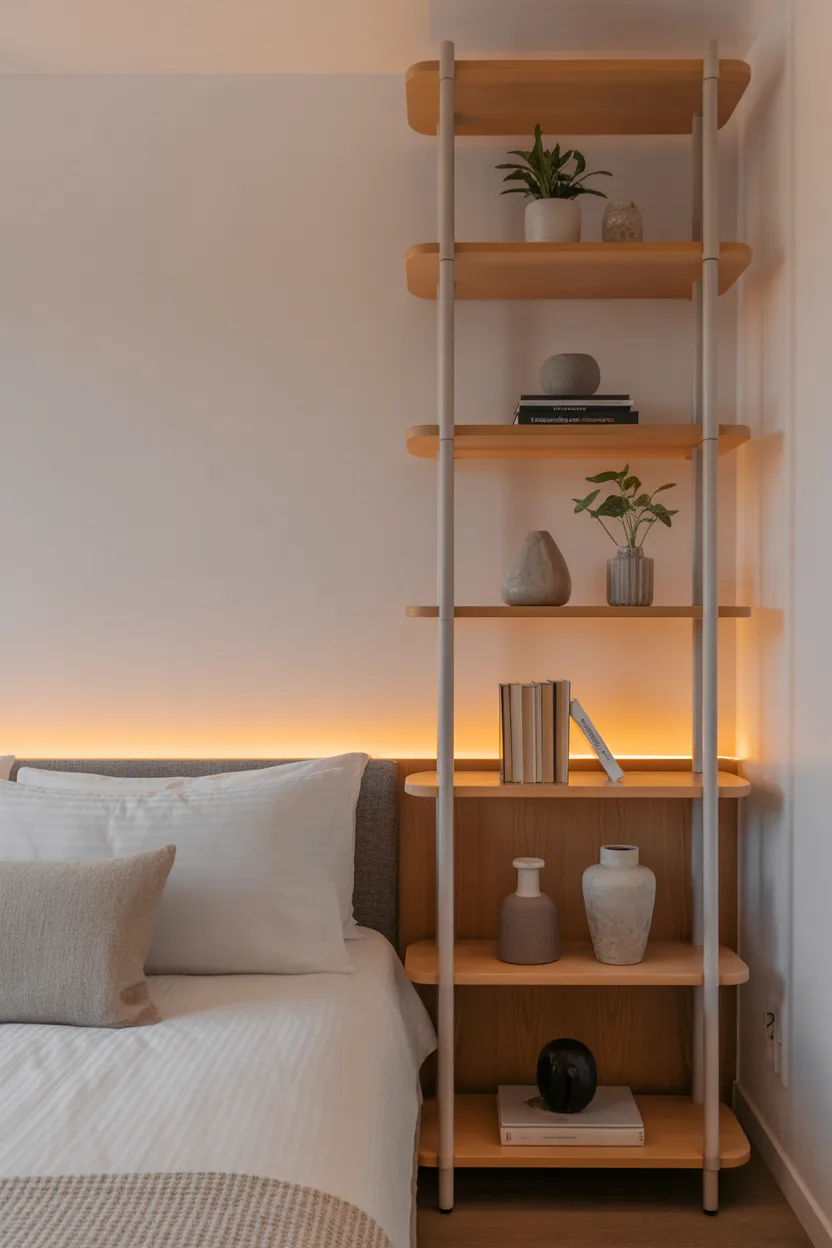
9) Opt for minimalistic decor to avoid overcrowding
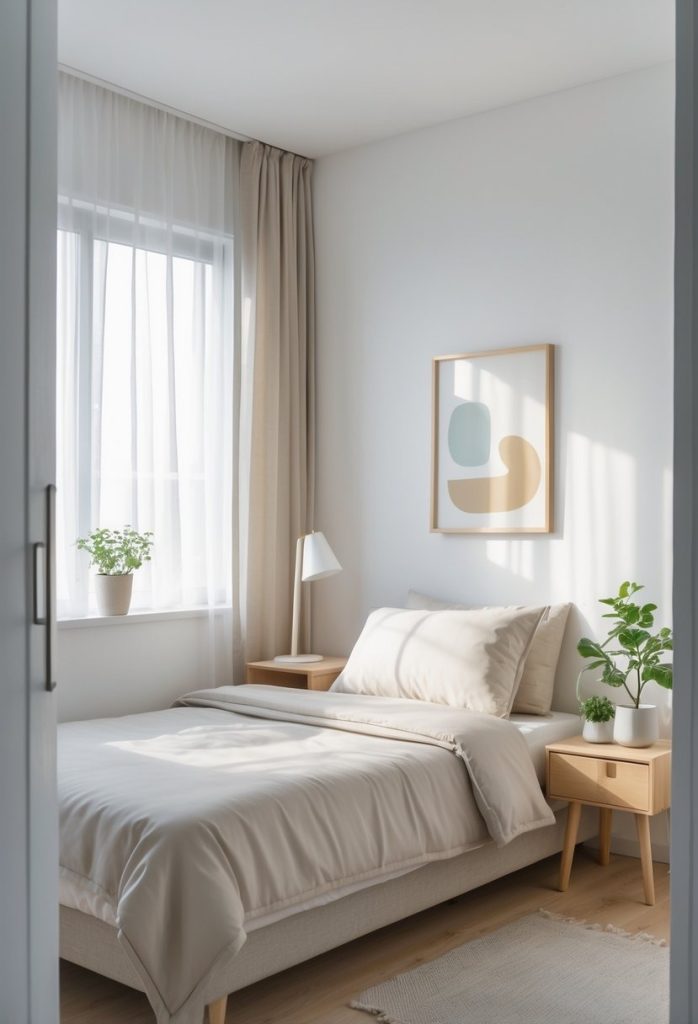
A minimalist style keeps a small bedroom open and clean. Choosing only essential furniture reduces clutter and makes the space feel larger.
They can use simple designs with limited colors to create calm and order. Adding a few purposeful decor pieces ensures the room remains stylish without feeling crowded.
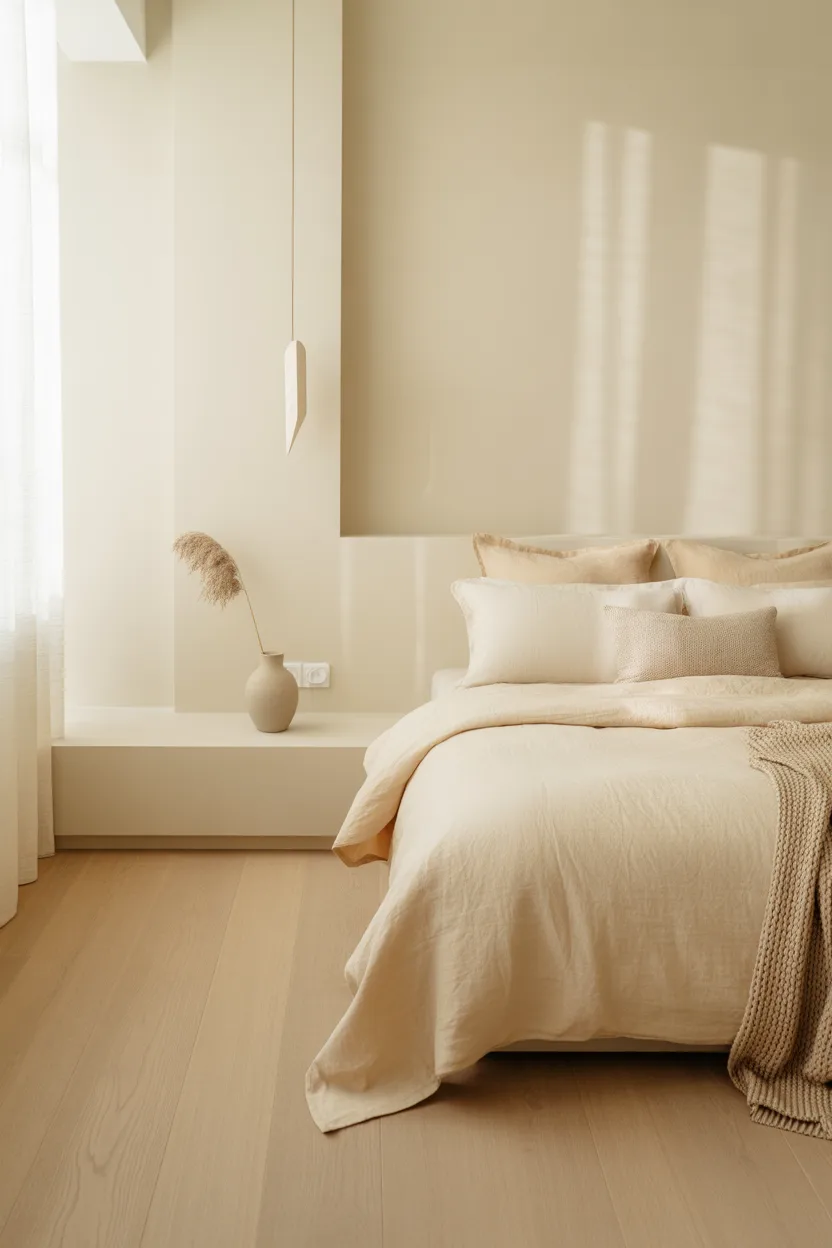
10) Create a dedicated small workspace with compact desks
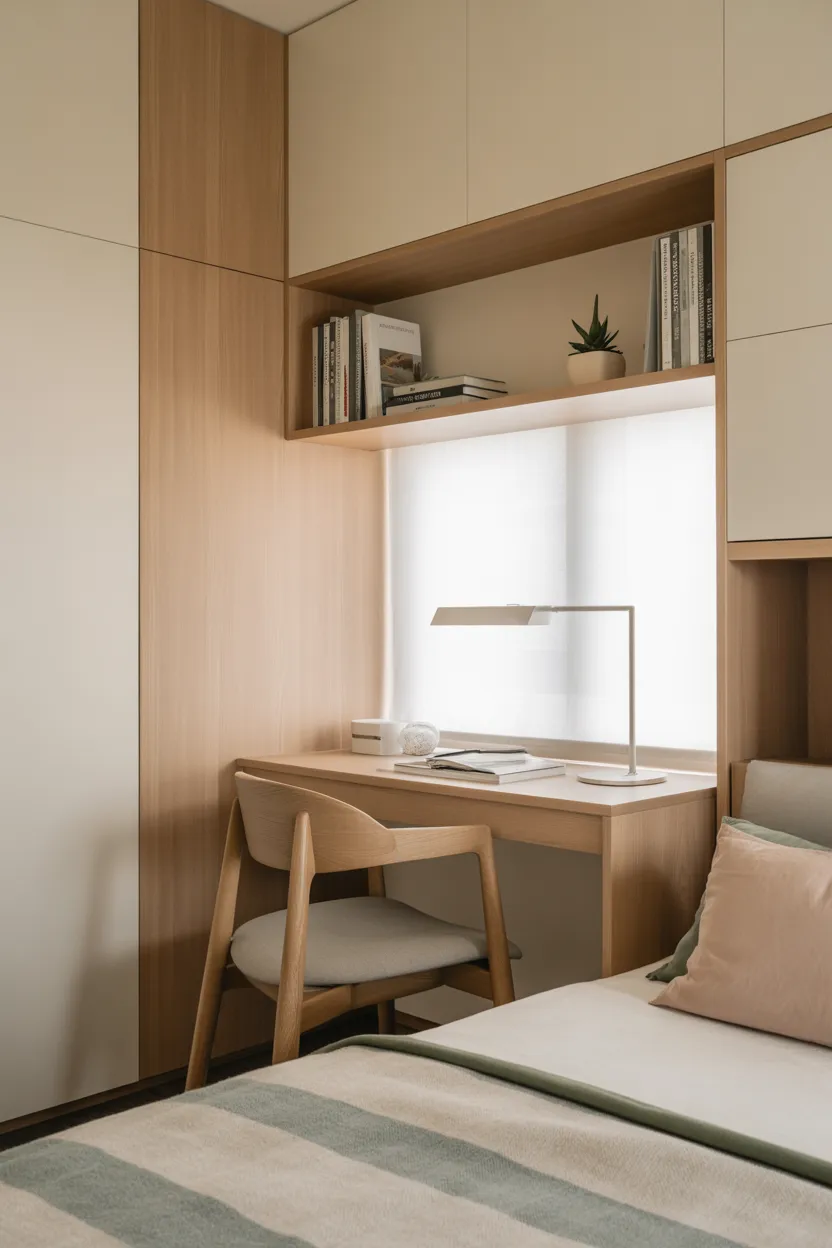
A compact desk can define a clear work zone without overwhelming a small bedroom. Floating or wall-mounted options free up valuable floor space.
They can pair a slim desk with a chair that tucks neatly underneath. Using vertical shelving or modular units helps keep the area organized and efficient.
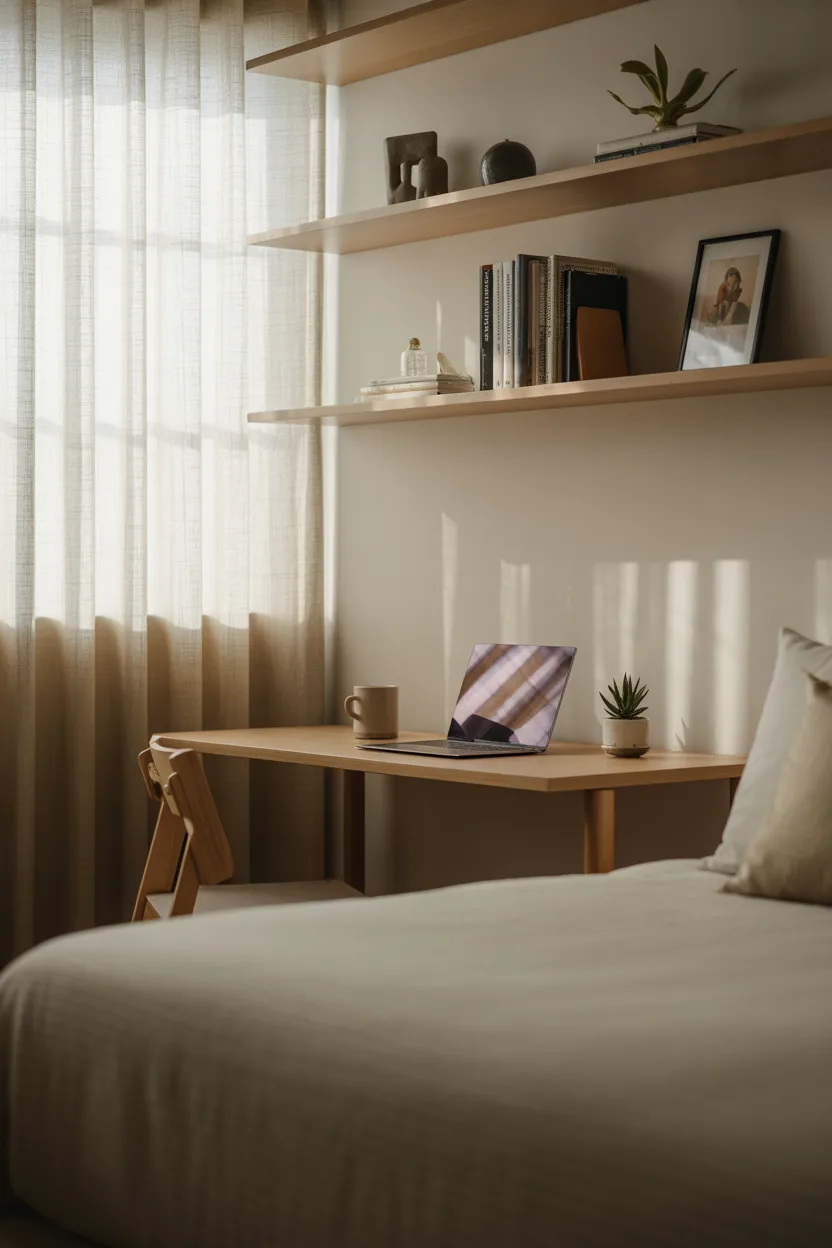
Key Principles of Creating a Chic Small Bedroom
A well-styled small bedroom balances appearance, comfort, and efficiency. Smart furniture placement and thoughtful color choices can help make the room feel larger while keeping it warm and inviting.
Maximizing Space Without Sacrificing Style
Using multifunctional furniture helps retain space without clutter. Beds with drawers, fold-out desks, and wall-mounted shelves reduce the need for extra pieces. Floating the bed a few inches from the wall can open up the perimeter, making the room appear more open.
Vertical organization keeps surfaces clean. Installing tall shelving units or hanging racks takes advantage of unused wall height. Light, slim-lined furniture with exposed legs also adds a sense of airiness.
To maintain style, they can mix textures—like a woven rug or linen bedding—with sleek materials such as metal or glass. A small, cohesive decor theme prevents visual overwhelm. Limiting accessories to key accents, such as a framed print or decorative lamp, creates a polished and intentional look.
| Smart Space Tips | Benefits |
| Integrated storage bed | Adds hidden storage |
| Floating shelves | Keeps surfaces clear |
| Light furniture frames | Expands visual space |
Color Palettes That Enhance Coziness
Light neutral tones such as soft beige, off-white, or pale gray make the room feel brighter. These hues reflect natural light and reduce the feeling of confinement. Adding deeper accent colors—like navy, forest green, or burnt terracotta—can bring depth without overcrowding the space.
Warm lighting complements calm tones. Using warm-white bulbs instead of cool ones adds comfort and intimacy. Soft-colored fabrics like cream curtains or muted quilts provide texture while keeping the palette cohesive.
They can also use contrast sparingly for character. A dark headboard or accent wall can anchor the room visually when paired with lighter surroundings. Keeping the palette limited to three or four shades maintains balance and consistency throughout the space.
Common Challenges and Solutions
Small bedrooms demand careful planning because every inch counts. Everyday issues like tight storage space and maintaining a welcoming, comfortable layout often limit design choices. Practical solutions focus on using space efficiently and choosing furniture that blends comfort with purpose.
Dealing With Limited Storage
Limited storage often makes compact bedrooms feel cluttered. Built-in closets, under-bed drawers, and vertical shelving help organize items without crowding the floor. Multifunctional furniture, such as a bed with hidden compartments or a bench that doubles as a storage chest, can reduce the need for extra pieces.
Using wall-mounted hooks or narrow racks clears surfaces and frees up walking paths. Foldable or stackable storage bins make it easy to switch between seasonal items. In smaller rooms, even door backs can hold hanging organizers for shoes or accessories.
A short comparison can help when choosing storage options:
| Type | Space Needed | Best For |
| Under-bed drawers | Low | Clothing, linens |
| Wall shelves | Minimal | Books, décor |
| Built-in cabinets | Medium | Daily essentials |
| Over-door racks | Minimal | Accessories |
Keeping the visible space tidy improves both function and appearance. A few coordinated containers or baskets keep the design cohesive while simplifying routines.
Maintaining Balance Between Comfort and Function
A small room should still feel restful, not cramped. Choosing a bed proportional to room size allows for movement and flexibility. For example, a full-size bed may fit better than a queen in tight layouts, leaving space for side tables or a compact desk.
Light, neutral colors reflect natural light and create an open feel. Adding a mirror opposite a window enhances brightness. Soft textures like cotton bedding and lightweight curtains increase comfort without adding bulk.
Layering soft lighting from lamps and wall sconces prevents harsh shadows and offers control over mood. Keeping décor simple—such as one main art piece or a few coordinated accents—stops the room from feeling crowded while maintaining an inviting style.