Small Bedroom Ideas: 10 Smart Ways To Maximize Space
Small bedrooms can feel challenging to arrange, but they also offer a chance to create a space that feels calm, organized, and personal. With the right approach, every square foot can serve a purpose without giving up comfort or style. The key lies in using smart design choices that make a small room feel open, balanced, and practical.
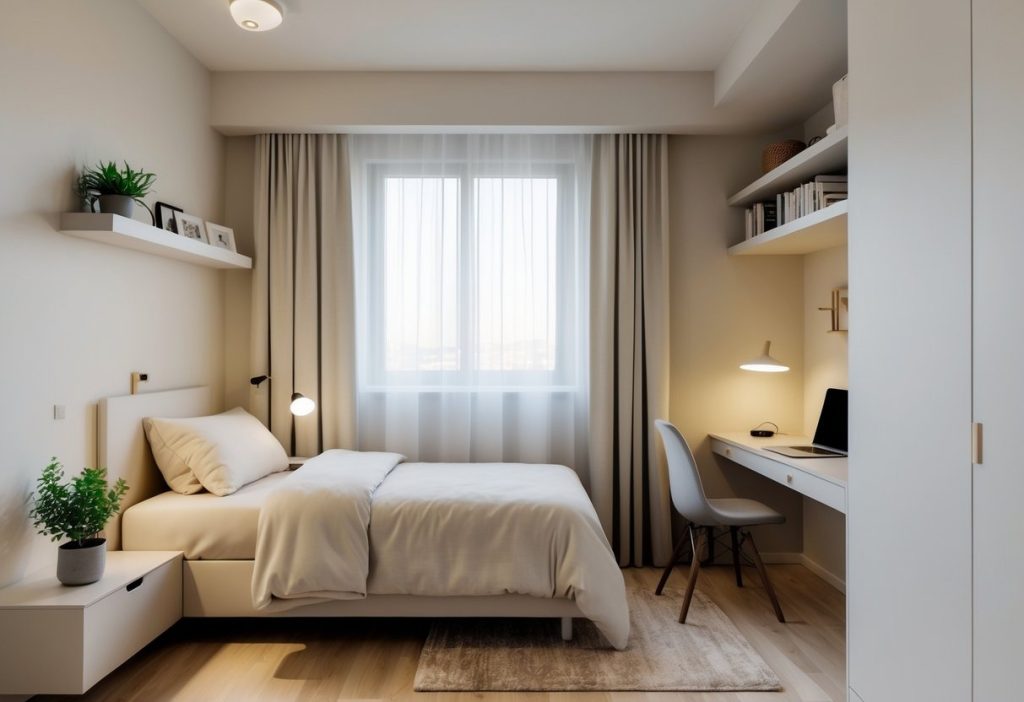
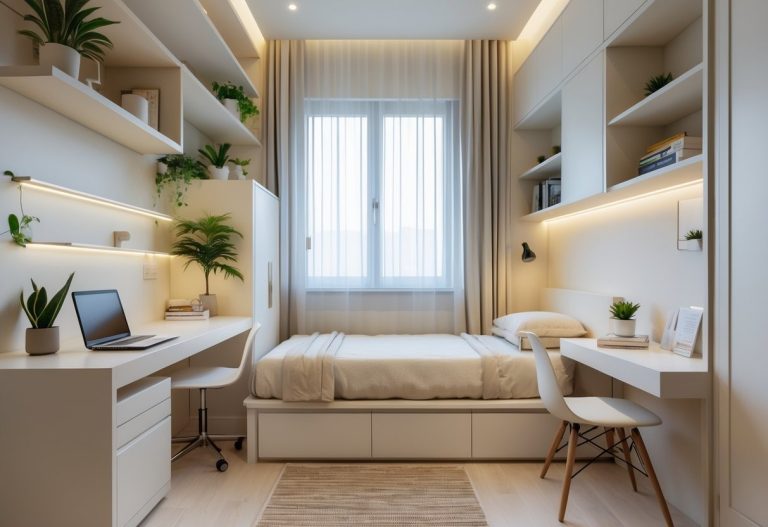
This article explores how thoughtful furniture, clever storage, and simple design techniques can transform compact rooms into functional, inviting spaces. It focuses on practical ideas that help make the most of limited space while keeping the room comfortable and visually appealing.
1) Use multi-functional furniture like beds with built-in storage drawers
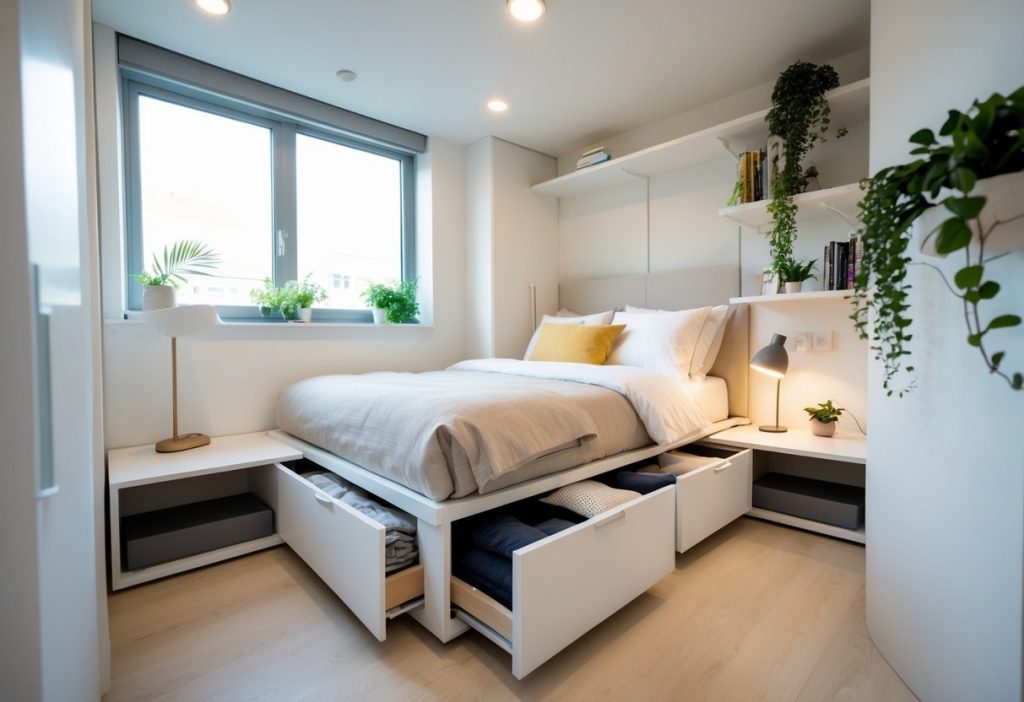
Multi-functional furniture helps make the most of limited space. A bed with built-in drawers provides storage for clothes, bedding, or other items without taking up extra floor space.
This type of furniture reduces clutter and keeps the room organized. It also removes the need for large dressers or cabinets, leaving more open space for movement.
Choosing pieces that serve more than one purpose, such as a bed with drawers or an ottoman with storage, allows a small bedroom to stay both functional and tidy.
2) Install floating shelves to free up floor space
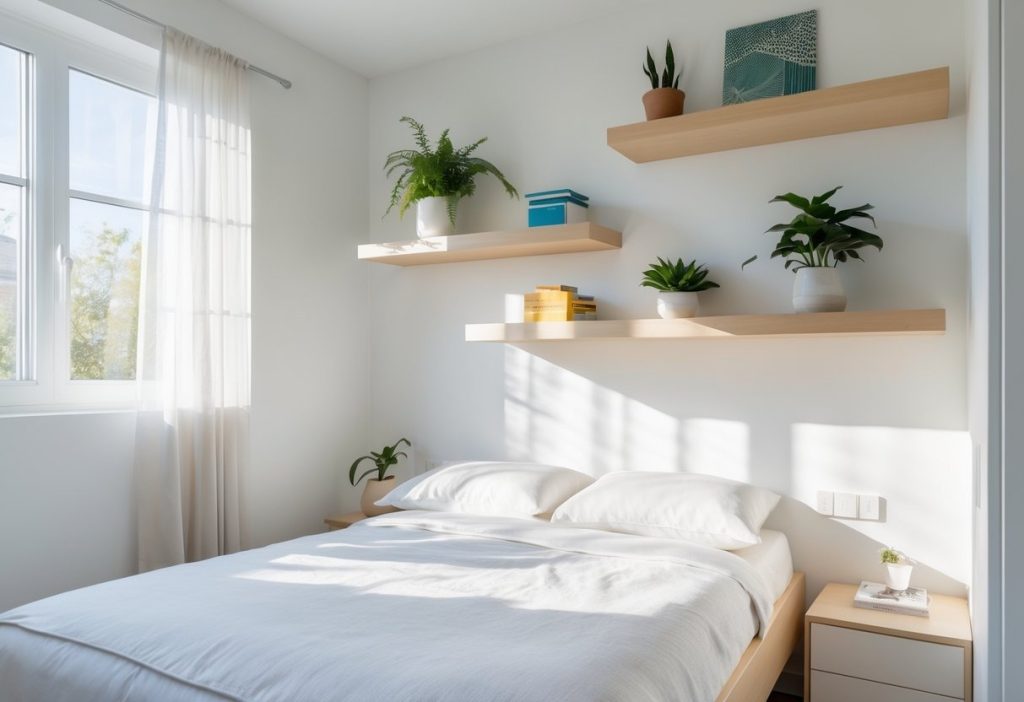
Floating shelves help keep small bedrooms organized by using wall space instead of floor space. They provide storage for books, decor, or small items without adding bulky furniture.
These shelves create a clean, open look that makes the room feel larger. Their simple design fits well with both modern and traditional styles.
Installing them above a desk, bed, or dresser adds function without clutter. They also make it easy to rearrange displays or adjust storage as needs change.
3) Choose light, neutral paint colors to make the room feel larger
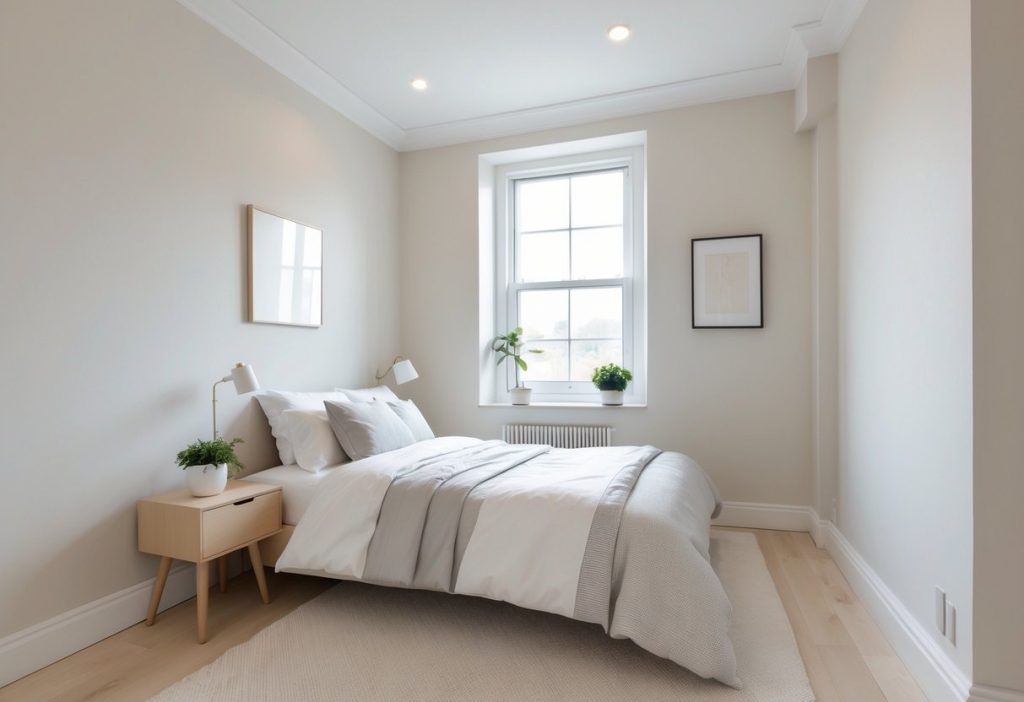
Light, neutral paint colors can make a small bedroom appear more open and airy. Shades like soft white, beige, or pale gray reflect more light, helping the walls seem farther apart.
These tones also blend easily with most furniture and decor, keeping the space simple and balanced.
Using one color on both walls and trim can create a seamless look that visually expands the room.
4) Opt for a wall-mounted desk to create a compact workspace
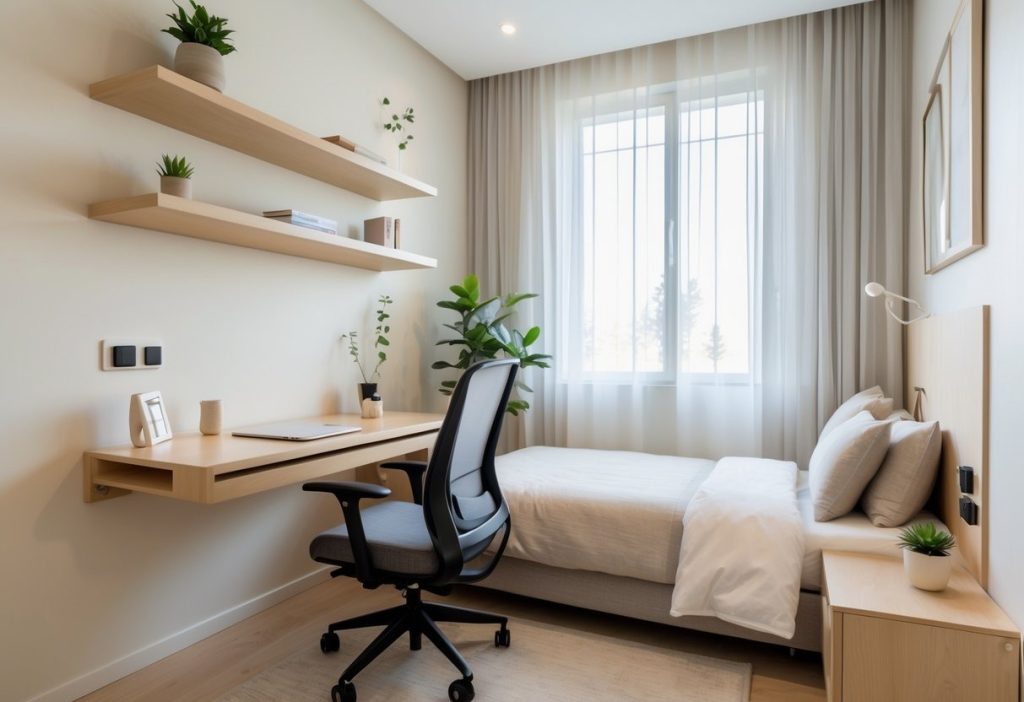
A wall-mounted desk helps save floor space in a small bedroom. It attaches directly to the wall, leaving the area beneath open for storage or seating.
This type of desk works well for studying, working, or using a laptop. Many designs include shelves or drawers that keep supplies organized without taking up extra room.
Choosing a fold-down or floating model allows flexibility. When not in use, it can fold flat or blend into the wall, keeping the room tidy and spacious.
5) Incorporate mirrors to reflect light and add depth
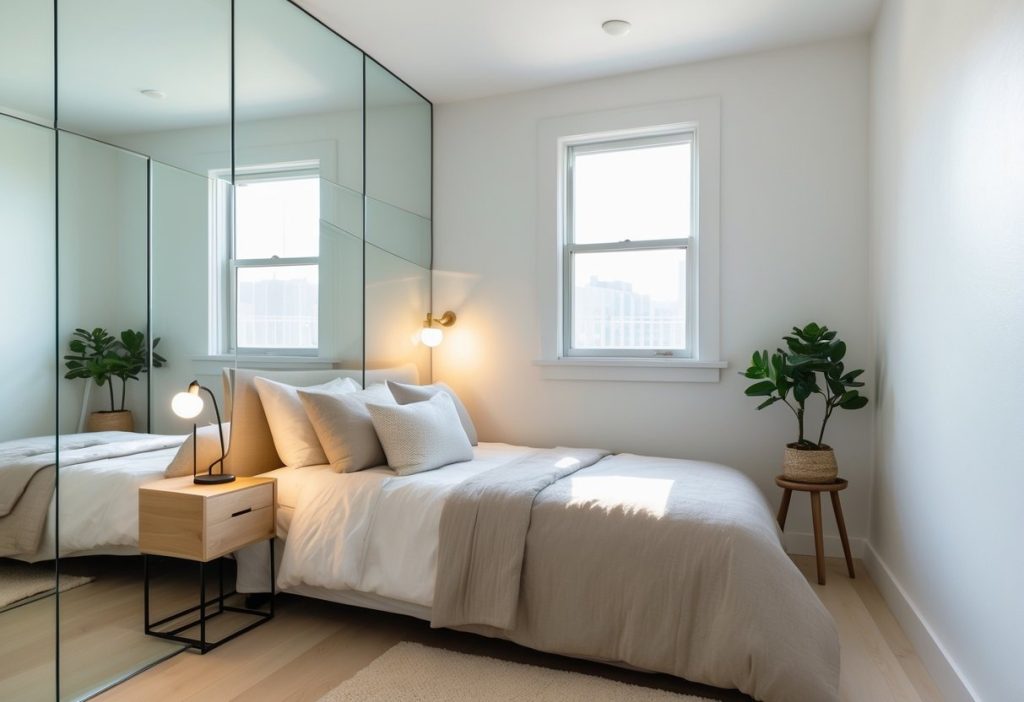
Mirrors help small bedrooms feel brighter and more open by reflecting natural and artificial light. Placing one across from a window can spread daylight throughout the room.
A large wall mirror or mirrored closet doors can create the illusion of more space. They extend sightlines and make compact areas appear less confined.
Mirrored furniture, such as nightstands or dressers, adds function without visual bulk. These surfaces blend style with practicality while keeping the room light and balanced.
6) Utilize under-bed storage bins for seasonal clothing
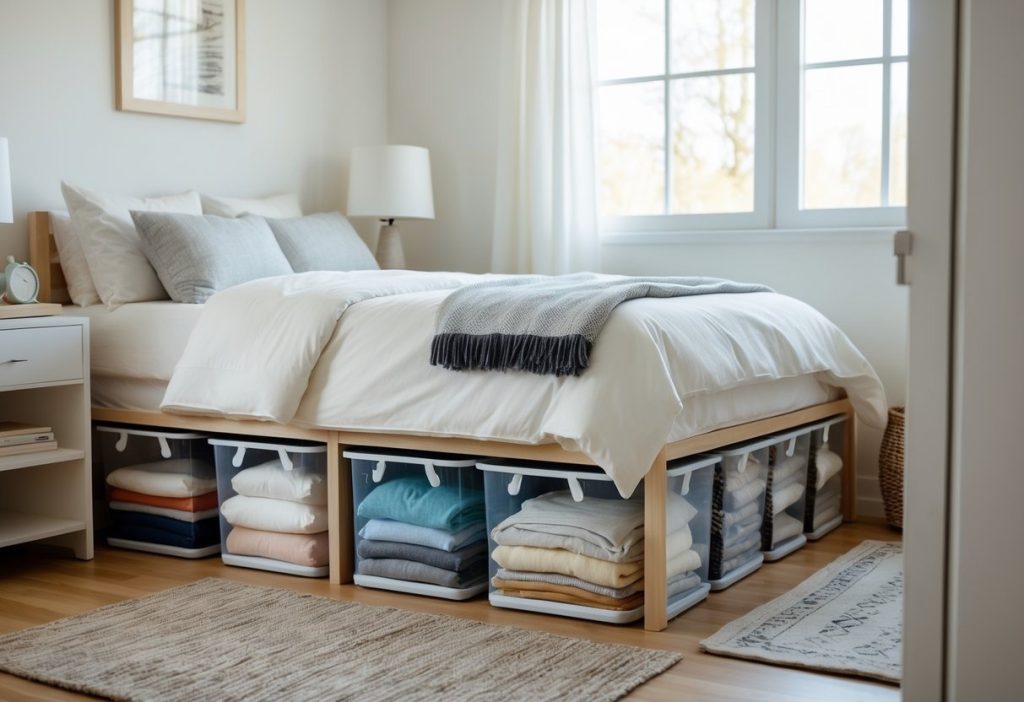
Using the space under the bed helps keep small bedrooms organized and clutter-free. Storage bins or drawers fit neatly beneath most bed frames and make it easy to store items that aren’t used daily.
They can hold seasonal clothing such as winter coats or summer outfits, freeing up closet space for current items. Choosing bins with lids or wheels keeps clothes clean and makes access simple.
Clear or labeled containers help identify what’s inside without opening each one, saving time and maintaining order in tight spaces.
7) Select slim-profile furniture to avoid overcrowding
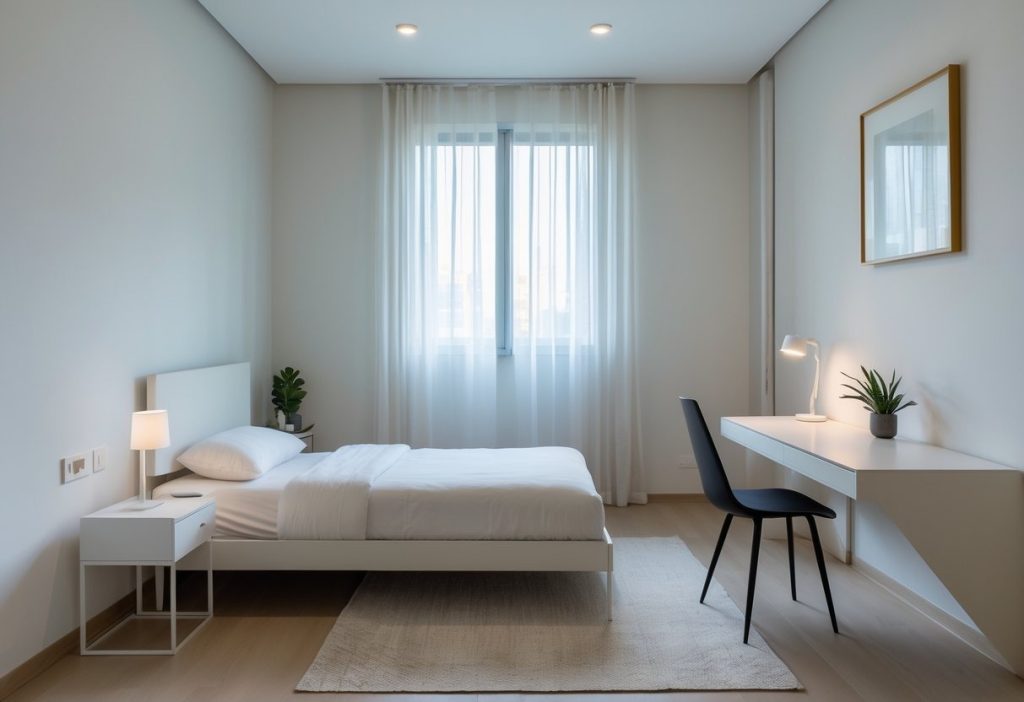
Slim-profile furniture helps small bedrooms feel open and balanced. Pieces with narrow frames or thin legs reduce visual bulk and make the room appear larger.
Wall-mounted shelves, compact nightstands, and low-profile beds free up valuable floor space. These designs allow better movement and keep the layout organized.
Choosing furniture that fits the scale of the room prevents clutter and improves comfort. Each piece should serve a clear purpose without overwhelming the space.
8) Add vertical storage such as tall bookcases or cabinets
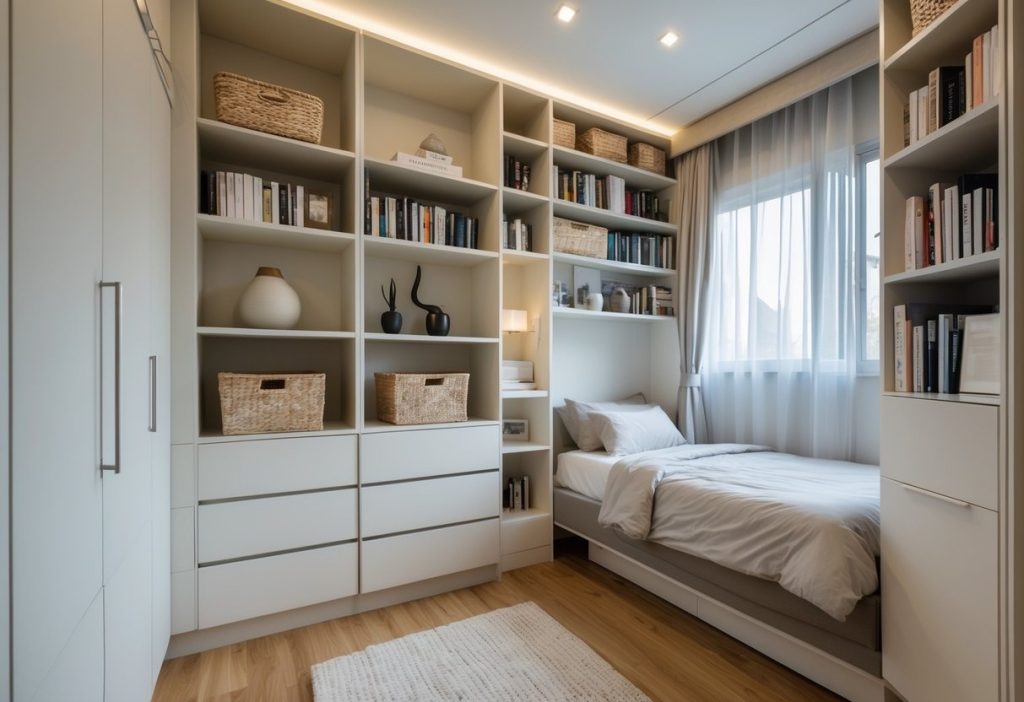
Using vertical storage helps make the most of limited floor space. Tall bookcases, cabinets, or shelving units draw the eye upward and keep items organized without crowding the room.
They can store clothing, books, or accessories while leaving space for movement. Wall-mounted shelves or over-the-door racks add extra storage in tight areas.
9) Use curtains that extend from ceiling to floor to enhance height
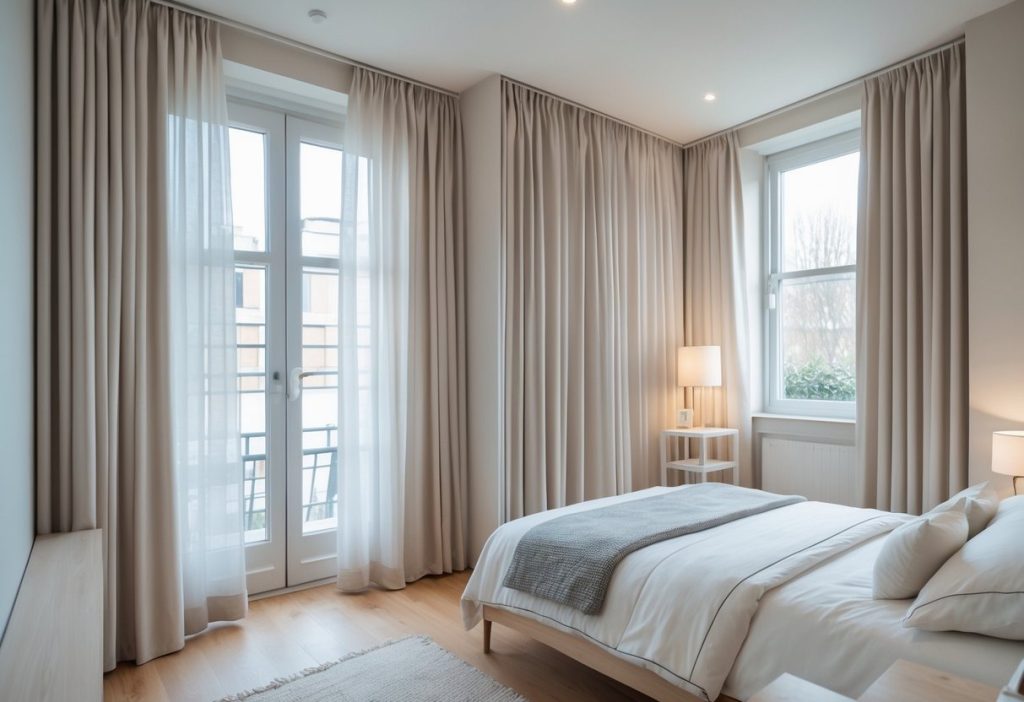
Floor-to-ceiling curtains draw the eye upward, making a small bedroom feel taller. The long vertical lines create a sense of height that standard window-length curtains cannot achieve.
Installing the curtain rod close to the ceiling helps extend the visual height of the walls. Even in rooms with low ceilings, this placement gives a more open and balanced appearance.
Choosing light or sheer fabrics can further enhance the effect, allowing more natural light to filter through and keeping the room bright and airy.
10) Incorporate soft, layered lighting for a cozy atmosphere
Layered lighting helps small bedrooms feel warm and balanced. It combines ambient, task, and accent lights to create depth and comfort.
They can use a ceiling fixture for general light, bedside lamps for reading, and wall sconces or string lights for soft accents.
Dimmable bulbs let them adjust brightness for different moods, while warm light tones make the space feel calm and inviting.
Maximizing Space in Small Bedrooms
Effective use of space depends on smart furniture layout, practical storage choices, and taking advantage of vertical areas. Simple design changes can make small bedrooms feel more open, organized, and comfortable without adding clutter.
Optimizing Furniture Placement
Furniture placement affects how much usable space remains. Placing the bed against one wall or in a corner opens more floor area for movement. Platform beds with built-in drawers remove the need for bulky dressers.
Small nightstands or wall-mounted shelves can replace larger tables. Keeping furniture low and slim helps rooms feel taller and less crowded.
A simple layout plan:
| Room Size | Bed Position | Extra Tip |
| Very small | Against corner | Use wall sconces instead of lamps |
| Medium | Centered wall | Add under-bed bins for storage |
| Narrow | Long wall | Mount desk or vanity to wall |
Avoid blocking windows or doors. Clear walking paths make the room feel larger and easier to use.
Clever Storage Solutions
Storage often defines how functional a small bedroom feels. Under-bed storage boxes or drawers use space that would otherwise stay empty. Floating shelves keep essentials accessible without taking up floor area.
Closets can hold more with double hanging rods or slim organizers. Hooks on doors or walls provide quick spots for bags, scarves, or hats.
Use multi-purpose furniture such as ottomans with hidden compartments or a fold-out desk that doubles as a nightstand. Keeping surfaces clear reduces visual clutter, making the space appear larger and more orderly.
Label containers and group similar items together. This simple step helps maintain organization and saves time when finding things.
Utilizing Vertical Space
Walls can hold much more than artwork. Installing tall shelving units or wall-mounted cabinets increases storage without reducing floor space.
Hanging racks or pegboards keep accessories, jewelry, or small decor neatly displayed. Using ceiling-mounted hooks for hanging plants or lighting adds style without crowding surfaces.
A few practical ideas:
- Stack shelves above the bed or desk.
- Mount a small bookcase near the ceiling.
- Use vertical mirrors to reflect light and create height.
By extending storage upward, small bedrooms stay open and efficient while keeping everything within reach.
Design Principles for Small Bedrooms
Effective design in a small bedroom depends on color, light, and visual balance. Each element should make the space feel comfortable, open, and well-organized without adding clutter or distraction.
Choosing the Right Color Palette
Light and neutral colors help small bedrooms feel larger and more open. Shades like soft white, beige, pale gray, or muted blue reflect light and create a calm atmosphere. Using one main color with one or two accent tones keeps the space cohesive and prevents visual clutter.
He can add depth by layering similar tones. For example, pairing light gray walls with darker gray bedding creates contrast without overwhelming the room.
Glossy or satin finishes on walls and furniture surfaces can also reflect more light, subtly expanding the sense of space.
| Color Type | Effect on Room | Example Shades |
| Light Neutrals | Brighten and open up space | White, Cream, Pale Gray |
| Cool Tones | Create calm and depth | Soft Blue, Sage, Misty Green |
| Warm Accents | Add comfort and interest | Terracotta, Blush, Sand |
Lighting Strategies
Layered lighting helps small bedrooms feel balanced and functional. A mix of ambient, task, and accent lighting ensures the room stays bright without harsh glare.
Ceiling fixtures or recessed lights provide general illumination, while wall sconces or pendant lights free up bedside table space. Adjustable lamps near the bed or desk improve reading and work comfort.
Natural light is equally important. Keeping window treatments light and sheer allows daylight to flow in, making the room look airy. Mirrors placed across from windows can double the brightness by reflecting sunlight throughout the space.
Creating the Illusion of Space
Smart layout and visual tricks make a small bedroom appear larger. Placing the bed against the longest wall and keeping walkways clear improves flow and prevents crowding.
Using multi-functional furniture, such as storage beds or wall-mounted shelves, reduces clutter and opens up floor space.
Vertical design draws the eye upward. Tall headboards, long curtains, or vertical stripes on walls emphasize height.
Simple decor choices, like using fewer large pieces instead of many small ones, keep the room from feeling busy. Clear surfaces and hidden storage help maintain a clean, spacious look.
Frequently Asked Questions
Small bedrooms can feel comfortable and organized with smart design choices. Using space-saving furniture, light colors, and practical layouts helps create a balanced and open atmosphere without sacrificing comfort or style.
How can I maximize space in a small bedroom?
They can use multi-functional furniture, such as a bed with built-in drawers or a wall-mounted desk. Keeping the floor clear by using vertical space, like floating shelves, also helps the room feel larger and less cluttered.
What are the best color schemes for a small bedroom to enhance spaciousness?
Light, neutral tones such as white, beige, or soft gray make the room appear brighter and more open. Adding subtle contrast with soft pastels or natural wood tones can keep the space from feeling flat while maintaining a sense of airiness.
Which furniture pieces are essential for a small bedroom layout?
Essential pieces include a compact bed, a small nightstand, and storage furniture that serves more than one purpose. Items like an ottoman with hidden storage or a foldable desk help maintain functionality without overcrowding the room.
What storage solutions work best in limited bedroom spaces?
They can use under-bed storage boxes, vertical shelving, or wall hooks to organize items efficiently. Built-in wardrobes or modular closet systems also help reduce clutter while keeping essentials within reach.
How can I arrange my small bedroom to make it feel larger?
Placing larger furniture against the walls and leaving open pathways improves flow and visibility. Positioning mirrors across from windows reflects natural light, creating a sense of depth and openness. Keeping decor simple and balanced prevents the room from feeling crowded.